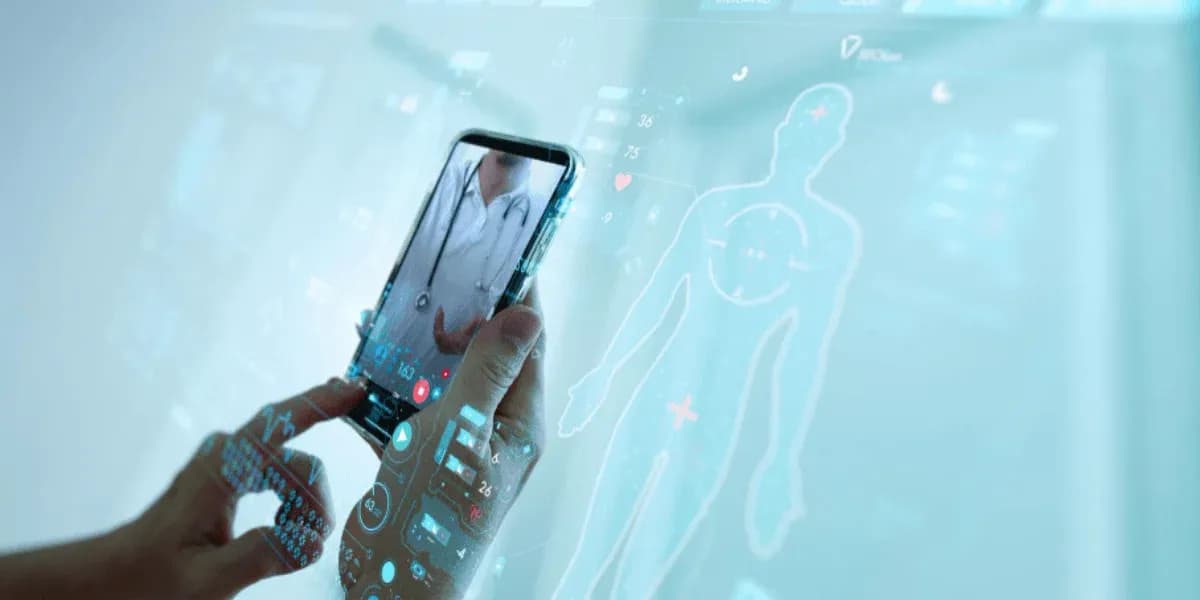
The way we think about healthcare is changing. Not long ago, people only visited a doctor when something went wrong after symptoms showed up, pain kicked in, or things got worse. This is called reactive care, and while it's still common, the world is moving toward something better: proactive care.
Thanks to technology, we now have tools that help predict health issues before they become serious problems. These tools come in the form of predictive health apps are smart, user-friendly applications that use data and artificial intelligence (AI) to improve the way we take care of our health.
Whether it's helping someone manage diabetes more effectively or alerting a doctor before a heart issue escalates, predictive apps are already making a noticeable difference. They're not just nice to have anymore. They're becoming essential tools in healthcare for both patients and providers. Let's explore how.
What Are Predictive Health Apps?
Let's start by understanding its definition and Core Functionality. Predictive health apps are mobile or web-based software tools that analyze your health data to give you early warnings and personalized advice.
Think of them as health companions that don't just track steps or calories but actually help forecast your future health based on your habits, vital signs, and medical history.
Wearables play a huge role. Imagine a heart patient wearing a smartwatch that tracks their pulse every second. If the rhythm becomes irregular, the app not only notifies the user but also sends an alert to the care team, sometimes even before the person feels anything wrong. Now, that's smart healthcare in action.
Technologies that power them
These apps work because of some powerful technologies:
Artificial Intelligence (AI) & Machine Learning (ML)
These are smart systems that learn from patterns in large amounts of data, like spotting early signs of heart trouble by studying thousands of ECG readings.
Big Data Analytics
Pulling together data from your health records, devices, lab results, and even lifestyle inputs (like sleep or diet) to find insights.
Internet of Things (IoT)
Wearable devices like smartwatches, glucose monitors, and fitness bands are always collecting useful data and sending it to the app in real-time
Building a healthcare app needs more than just tech; it requires ongoing testing, reviews, and improvement. Using Agile methodology ensures faster iterations, better security, and scalable solutions.
Key Features That Make a Difference
Real-Time Data Monitoring
Most predictive apps are connected to wearable devices like smartwatches, glucose monitors, or ECG patches. These devices collect vital data 24/7.
The app then analyzes it continuously, identifying small changes that might indicate something is wrong. Why it matters: Instead of waiting for a doctor's appointment weeks away, the app can flag concerns instantly, allowing for quicker intervention.
Predictive Alerts
What if your blood sugar suddenly crashes, or your heart rate spikes while you're resting? Predictive health apps send real-time alerts not just to the patient, but often directly to the care provider as well. These early warnings help prevent emergencies. For someone living alone or in a remote area, such an alert could save a life.
EMR & RPM Integration
One of the most valuable features is integration with existing healthcare systems. When predictive apps sync with Electronic Medical Records (EMRs) and Remote Patient Monitoring (RPM) platforms, doctors can see a complete, up-to-date health picture of their patients all in one place. This enables smarter decisions, faster treatment adjustments, and more coordinated care across providers.
Patient Engagement Tools
Many times, managing health daily isn't always easy. Life gets busy, and remembering to take medication, stay active, eat right, or follow a care plan can often fall to the bottom of the list. That's where patient engagement tools built into predictive health apps make a real difference.
These tools are designed not only to support health goals but also to keep patients motivated, informed, and involved in their own care. When patients are engaged, they're more likely to stick with treatment plans, and that directly improves outcomes.
How These Apps Are Helping Patients in Real-Life Use Cases
Predictive health apps are versatile. Here's how they're making a difference across various domains:
Diabetes Management
Apps like mySugr and Livongo simplify daily diabetes care by collecting real-time data from glucose monitors. Using AI, they learn patterns from your meals, activity, and medication.
For example, if blood sugar dips after evening workouts, the app suggests meal tweaks or insulin adjustments. This prevents dangerous highs or lows and helps patients manage their condition more confidently.
Heart Disease Prediction
Devices like Apple Watch now track heart rhythms using ECG sensors. Connected apps analyze this data to detect early signs of atrial fibrillation (AFib), a common risk for strokes.
When irregularities are found, users are alerted to seek medical attention early, shifting heart care from crisis response to proactive prevention.
Mental Health Monitoring
Apps like Woebot use AI chats and mood tracking to spot signs of anxiety or depression. They suggest mindfulness exercises or alert caregivers if needed. By offering check-ins between therapy sessions, these apps provide emotional support when users need it most, improving mental health engagement.
Senior Care & Fall Prevention
Wearables like UnaliWear track movement and detect falls in older adults. Predictive features can spot instability before a fall happens, allowing caregivers to step in early. Real-time alerts improve emergency response, while data insights support safer living for seniors, even those living independently.
[ Relevant Blogs -How Custom RPM Software is Redefining Chronic Care ]
Benefits for Providers and Patients
For Providers
Streamlined Workflows
Predictive health apps greatly reduce the need for manual data entry, repetitive monitoring tasks, and routine check-ins that consume valuable time. With automated alerts, real-time dashboards, and integrated records, healthcare providers can focus more on delivering personalized care instead of managing paperwork.
Efficient Resource Allocation
When predictive apps flag patients who are at a higher risk of deterioration, providers can proactively focus their time and resources where they're needed most. Instead of spreading staff thin across all patients equally, hospitals can allocate nurses, specialists, and beds more effectively based on real-time insights.
Smarter Decisions
Having access to a complete and continuously updated view of a patient's health data allows providers to make better clinical decisions. When an app integrates wearable data, lab results, medication history, and behavioral insights into one place, doctors can spot trends that might otherwise go unnoticed.
For Patients
Peace of Mind
For patients, knowing that their health is being constantly monitored provides a strong sense of security. Whether they live alone, have a chronic illness, or just finished a hospital stay, real-time tracking and alerts make them feel less isolated and more protected. This reassurance eases anxiety and helps patients focus more on healing than worrying.
Better Health Outcomes
Predictive apps support early interventions, catching red flags before symptoms worsen or become dangerous. Whether it's reminding someone to take their medication or flagging abnormal heart rhythms, these apps help keep patients on track.
Greater Involvement
Patients today don't want to be passive recipients of care; they want to participate. Predictive health apps provide them with tools to track their progress, set health goals, and gain a deeper understanding of their own bodies. Seeing a graph of their weekly blood pressure or step count helps people connect their daily actions with their long-term health.
This kind of empowerment builds healthy habits, increases treatment adherence, and leads to a stronger relationship between patients and providers.
Challenges and Considerations
Data Privacy & Security
Predictive health apps deal with deeply personal health information, making security a top priority. A data breach like one in a diabetes app could reveal not just medical data but also lifestyle habits. To prevent this, apps must follow strict regulations like HIPAA or GDPR, use end-to-end encryption, and ensure only authorized users (like the patient and their doctor) have access.
Interoperability
Many health systems and apps operate in silos, making it hard for data to move between platforms. If a heart patient's app can't sync with their hospital's EMR, important insights may be lost. To avoid fragmented care, predictive apps need to use common standards like FHIR so all systems can share and interpret data easily.
Tech Literacy
Not all patients, especially older adults, are comfortable with digital tools. If an app is too complex, they might stop using it. Simple design, large fonts, voice support, or caregiver access can make apps more user-friendly. Training videos or support from clinics can also help users stay engaged and benefit from the technology.
The Future of Predictive Health Apps
Moving Toward Value-Based Care
Healthcare is shifting from treating illness to preventing it. Predictive health apps support this by helping detect problems early, personalize care, and reduce hospital visits. For example, a diabetic patient can get daily alerts on glucose trends, food intake, and exercise, staying healthier and avoiding complications. As value-based care grows, these apps will be vital tools.
Integration with Voice Assistants & AI Agents
Soon, predictive apps will talk back. Voice-enabled features will let users ask, How's my heart rate trend? or allow AI agents to book appointments and update EMRs automatically. This makes apps more user-friendly, especially for seniors or those with visual impairments, bringing smart, hands-free support to everyday healthcare.
Reaching Underserved Areas
In rural or underserved regions, predictive apps can bring healthcare to people with just a smartphone. Simple interfaces, local language support, and AI-backed tips help track vitals and guide care, even without visiting a doctor. This makes healthcare more inclusive, closing gaps in access due to geography or income.
[ Relevant Blogs -The Future of AI in Healthtech: Key Trends]
AI in healthcare demands both technical depth and domain expertise. See how our Healthcare AI Solutions team can help you ship responsibly.