
Medical device integration case study: ABDM M1 to M3 for a rural screening program
Twelve devices. One record. A program that grew 14x.
We connected 12 medical devices to one offline record and certified it on India's ABDM network.
November 21, 2026 · 15 min read · Jitendra Choudhary, CTO & Co-Founder
See the outcome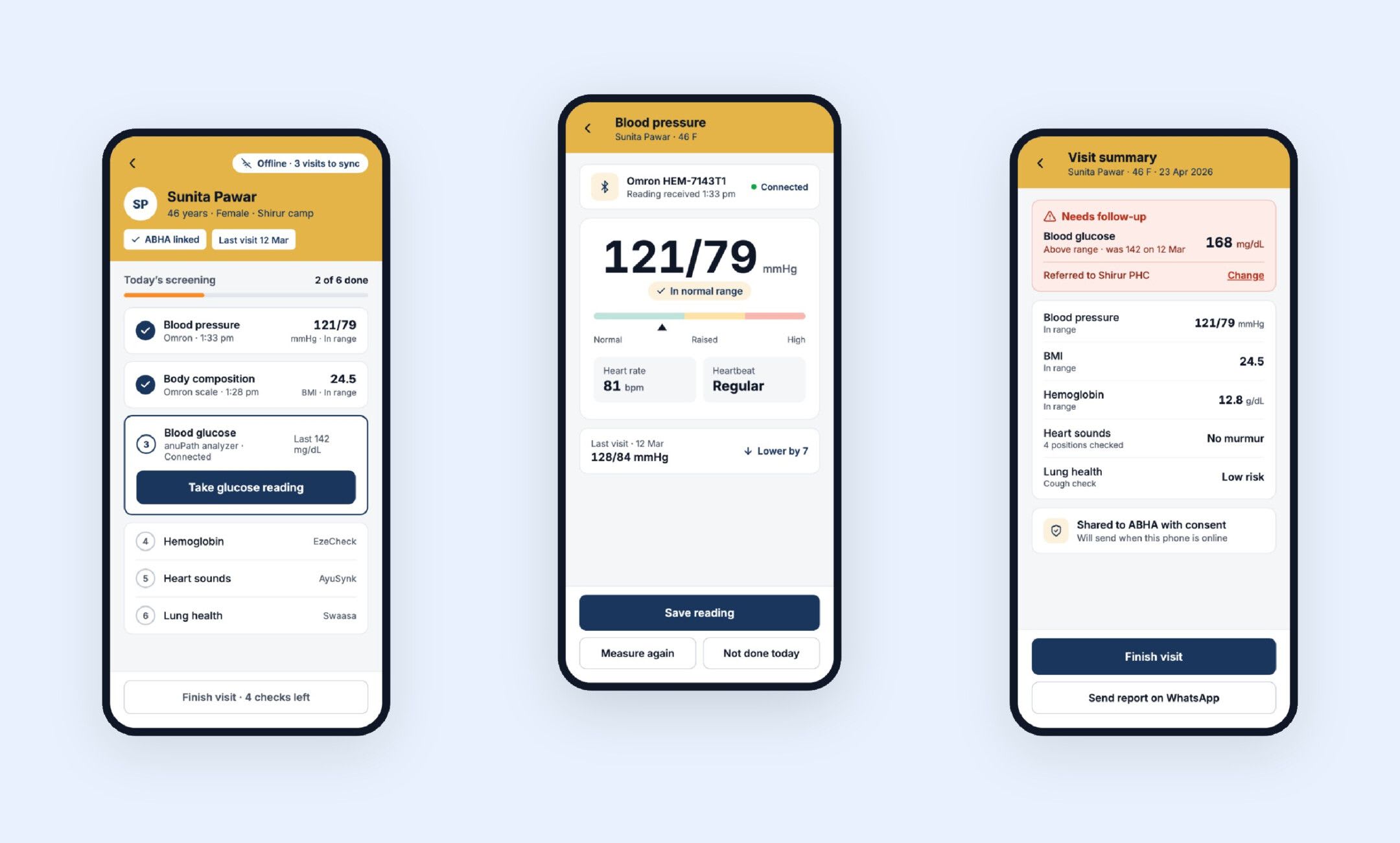
A small screening pilot became a program funders and the government can trust
Each number says where it comes from. Production numbers cover the first four months, Sep 2025 to Jan 2026.
Measured, production data
14x
More visits per month, on the same platform
185
Sep
956
Oct
1,227
Nov
2,582
Dec
Measured, production data
4,608
People screened in 4 months
5,727 visits and 9,200 prescriptions. Usage has grown several times since, as the client reports.
Measured, production data
16,592
Readings with no retyping
Saved straight from devices, so funders see the number the device read.
Verified with NHA
M1 to M3
A certified national product
On the ABDM partners page since Jul 30, 2026. Opens government programs to the client.
Delivery
30 to 40 days
First version in the field
Field fast, learn from real camps, then build on top.
The engagement
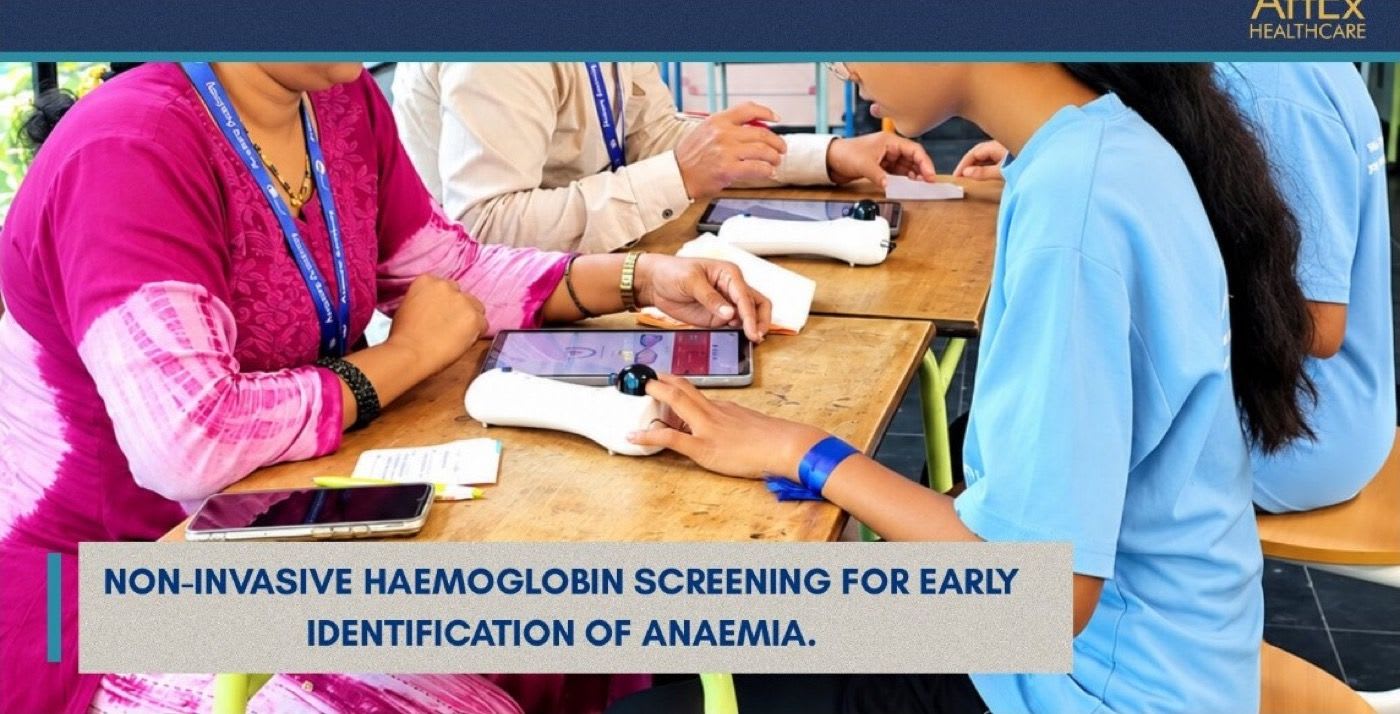
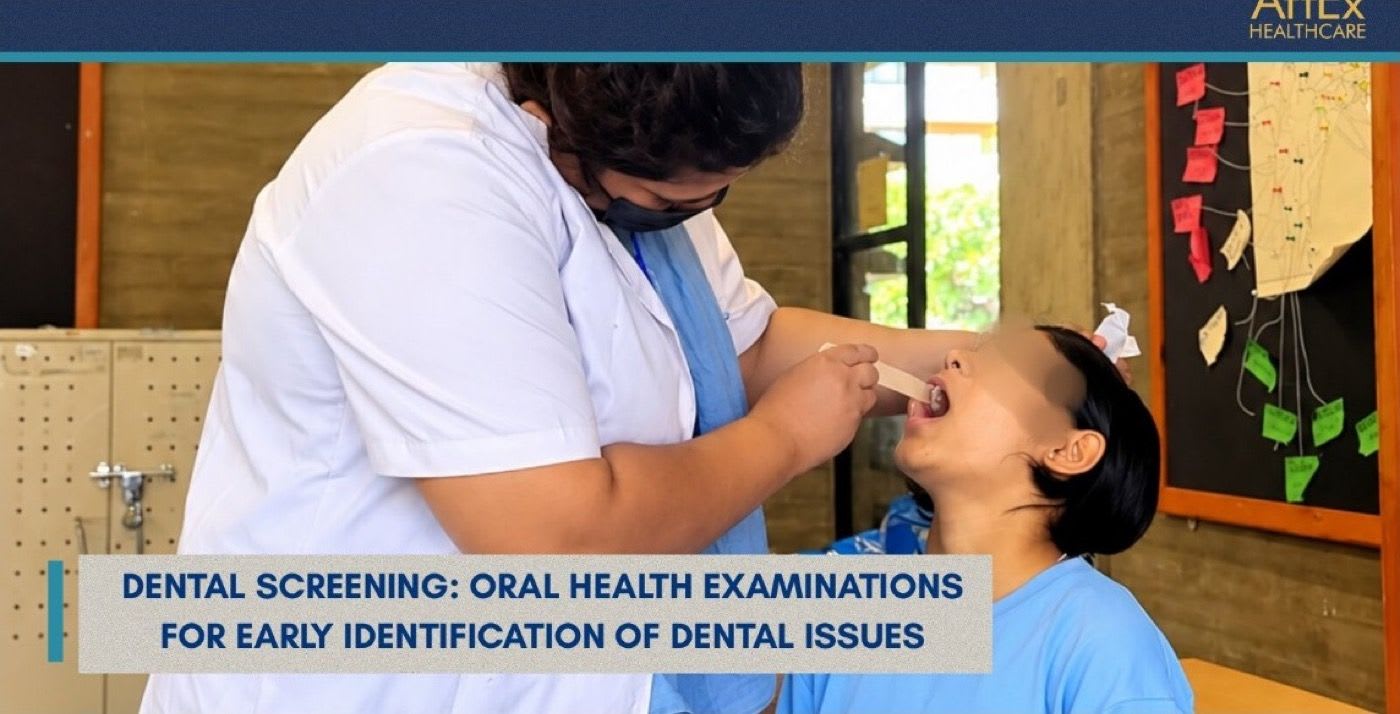
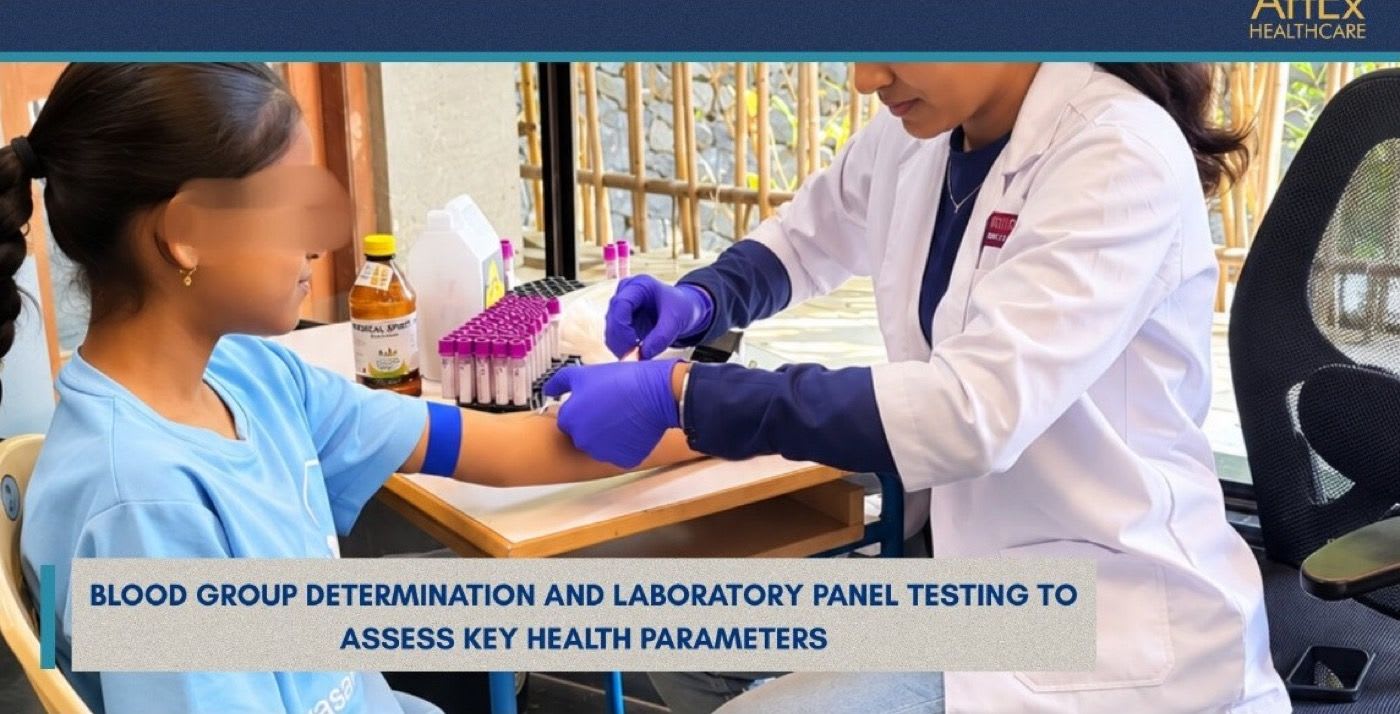
A foundation-backed platform screens people in villages, schools and factory towns with a kit of medical devices. Its programs include corporate health drives for Tata Power, school screening, family programs, NGO camps and doorstep care.
We built it as part of our medical device integration services and ABDM integration services.
Every device came with its own app, radio or cloud. Health workers copied numbers by hand, and visits were lost where there was no signal. The government wanted every record on the national ABDM network.
Live
First version in 30 to 40 days, from Aug 2025
Certified
ABDM M1, M2, M3 on Jul 30, 2026
Our role
Device layer, offline clinic server, ABDM, testing, field support
Team
Project manager, developers, daily QA and a dedicated support engineer
Stack
NestJS, PostgreSQL, Next.js, Android, Raspberry Pi 5
Before
Each reading stays on its own device screen
Values typed by hand, errors and all
No internet, no saved visit
Each new device is a new project
After
Every reading lands in the open visit
Nothing retyped. Device, time and unit kept
Clinic server saves offline, syncs later
New devices plug into one shared layer
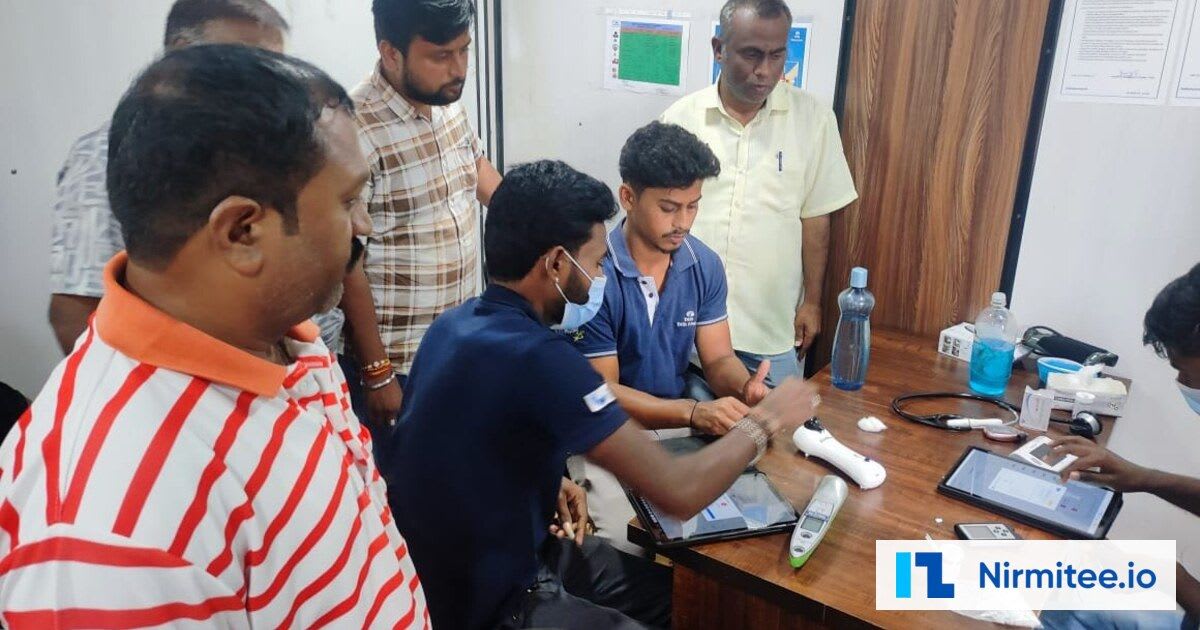
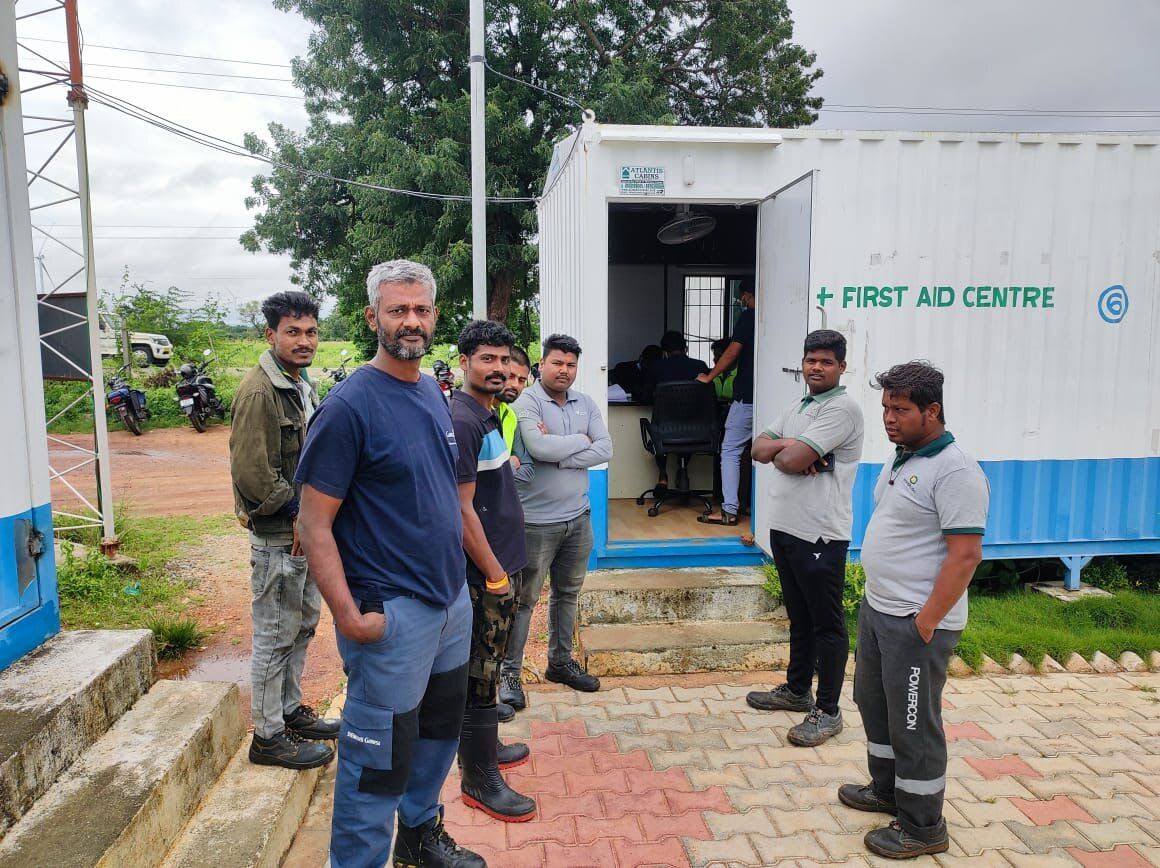
Field fast, learn, then build on top
Phase 1 was delivered in 30 to 40 days, so camps started screening right away. Every camp told us what to fix and what to build next. Phase 2 rebuilt the core for more partners, more devices and the national mandate, while phase 1 kept running and the data moved across.
Phase 1: go live
7+ devices, mostly by webhook
Field visits from September
React, Node and Express
Phase 2: built to scale
12 device flows on one shared layer
Offline clinic server, ABDM, AI
1,228 commits, 74 tables, 392 API endpoints
| Phase 1 | Phase 2 | |
|---|---|---|
| Adding a device | Code change for each device | Settings change when the protocol is known |
| No internet | Visit cannot be saved | Clinic server keeps the full record |
| National network | None | ABDM M1, M2, M3, certified |
| Stack | React, Node and Express | NestJS, Next.js, Android app, Raspberry Pi |
Any device, one path into the record
We built a device intake layer. Each device gets a small adapter for its protocol. Everything after it is shared, so a new device does not mean a new project.
Capture
Device sends
Bluetooth, SDK, USB, webhook, cloud or maker app
Adapt
Adapter reads it
One small handler per protocol, picked by device code
Map
Fields mapped
Vendor fields to standard readings, in admin screens
Check
Quality checked
Units, ranges, duplicates and retries handled once
Save
In the visit
Online or offline, ready for reports and ABDM
Settings only
A new model on a protocol we already handle: add the device type, map its fields, switch it on per facility. No app update.
Small code change
A maker with a new protocol: write one adapter. The rest of the path is reused. Omron, Chipsea, AyuSynk and Spandan were added this way.
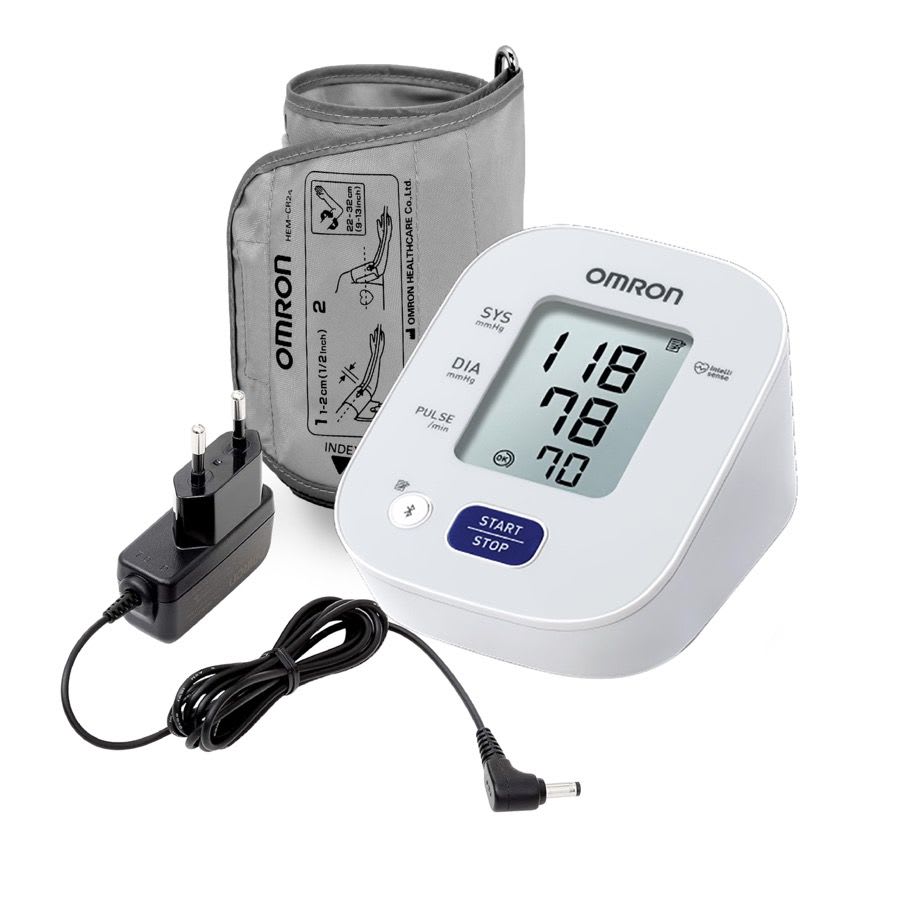
Blood pressure
Omron, Bluetooth SDK, live
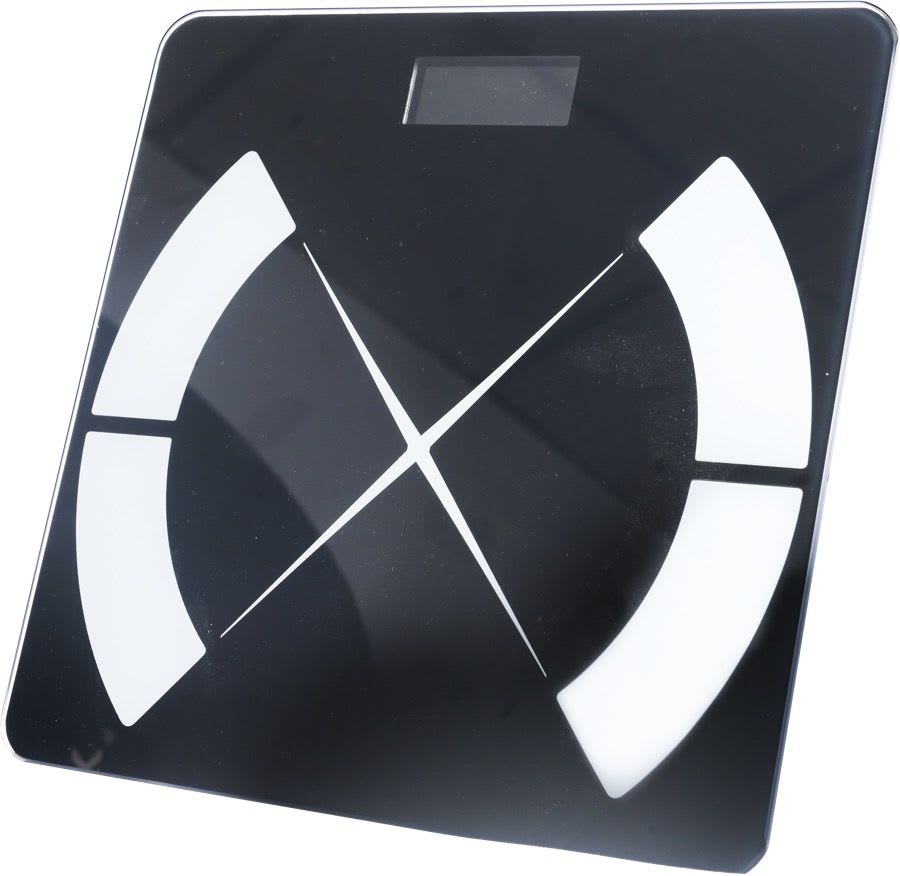
Body composition
Chipsea, Omron, Bluetooth, live
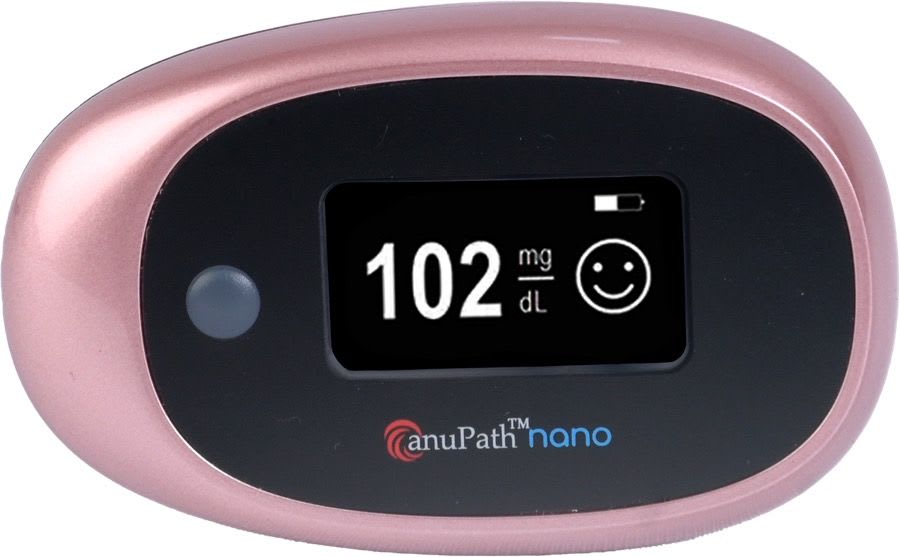
Blood glucose
anuPath, direct Bluetooth, live
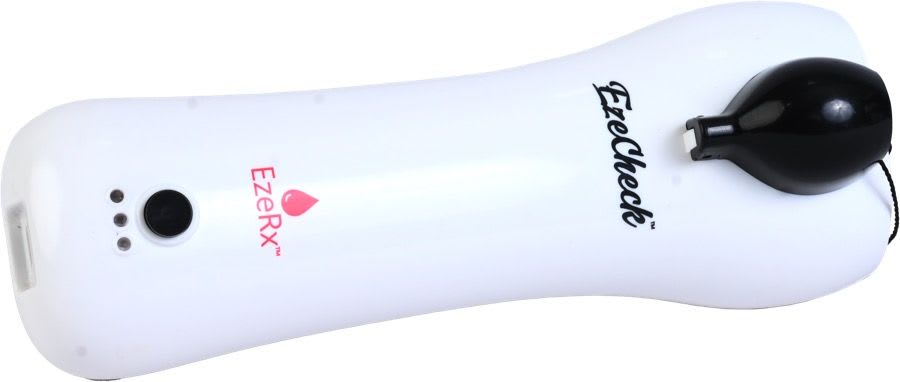
Haemoglobin
EzeRx, webhook, live
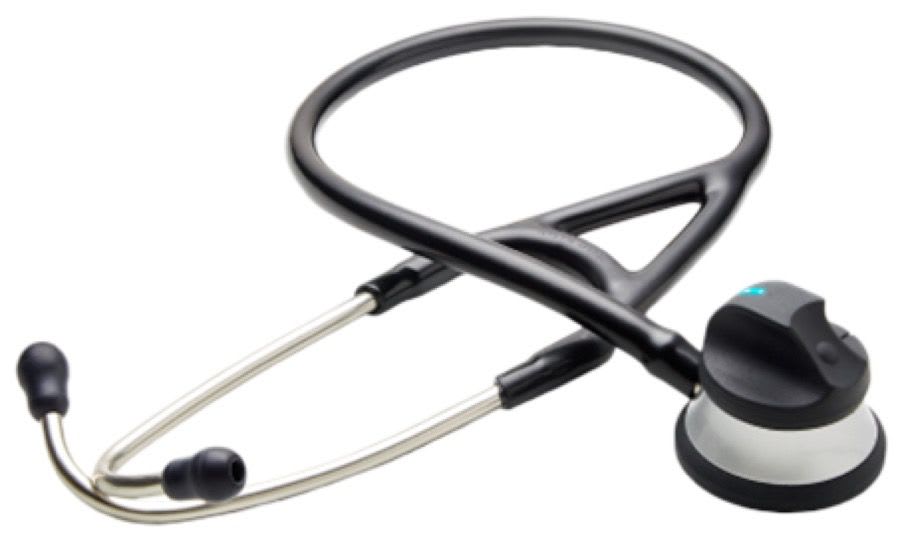
Heart sounds
AyuSynk, SDK and cloud AI, live
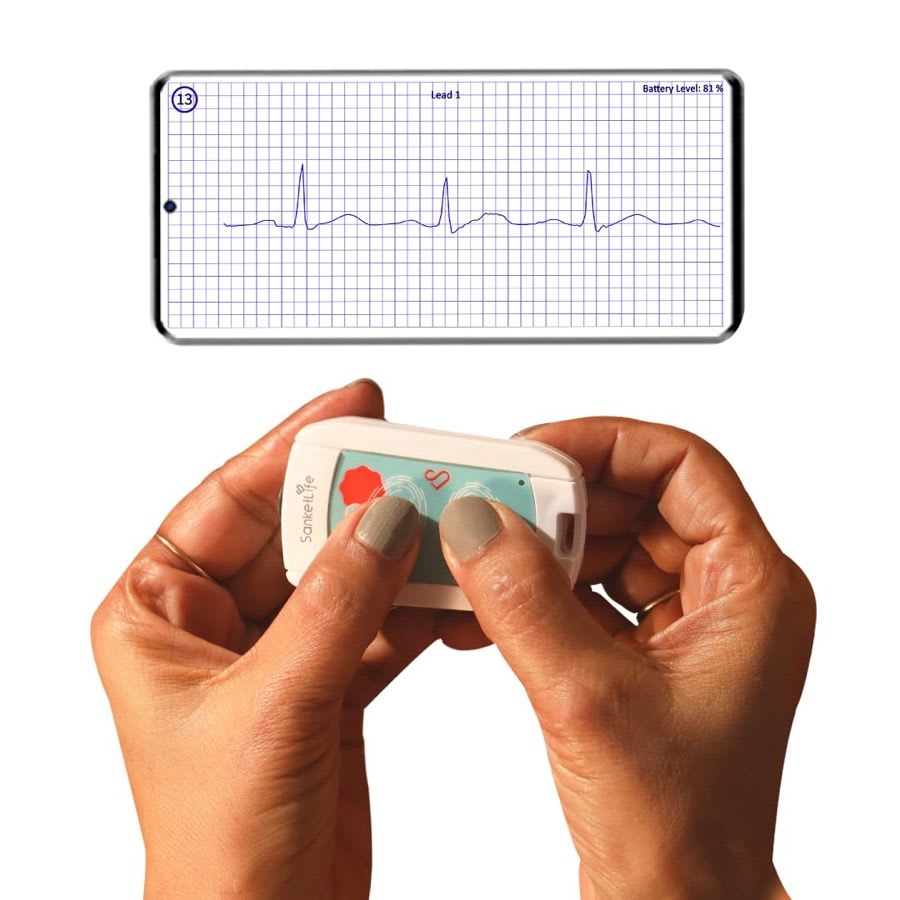
ECG and vitals
Agatsa, app hand-off, live
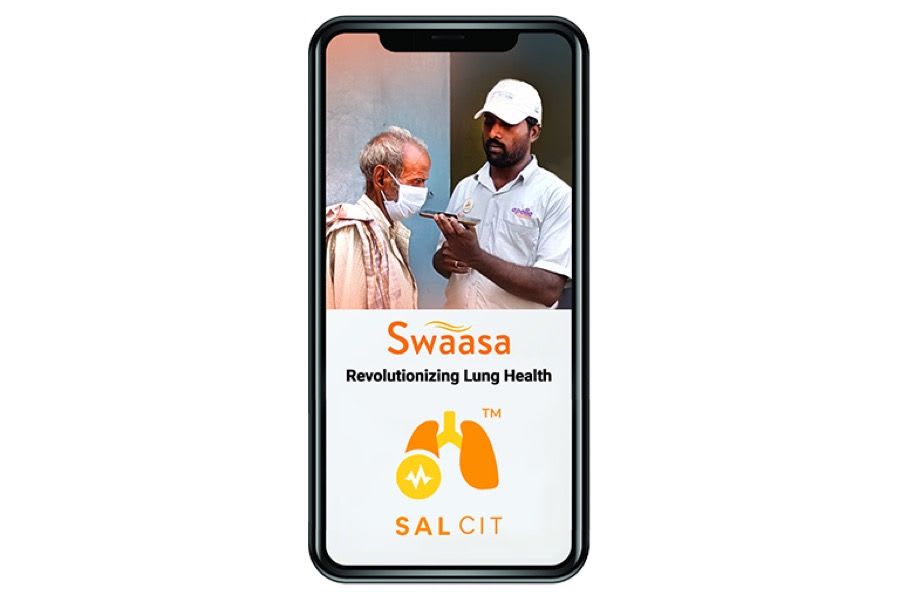
Lung health
Salcit Swaasa, cloud API, live
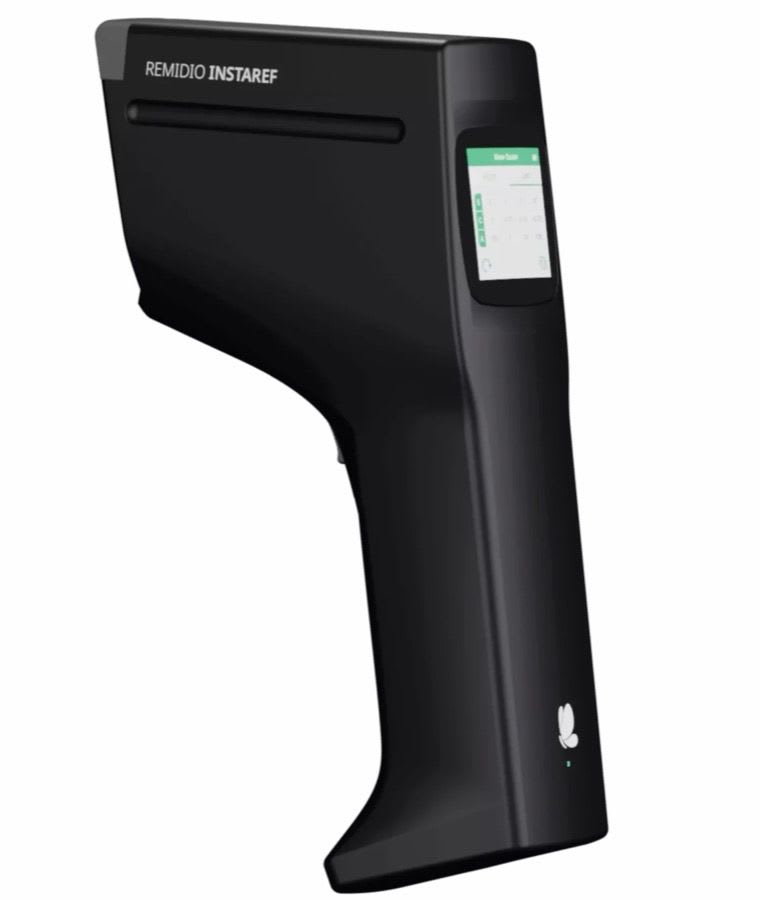
Eye images
Remidio, cloud API, in progress
Also built: Spandan 12-lead ECG over USB, Omron body composition, Agatsa SanketLife SDK. The layer supports 9 connection types: cloud API, file, manual, HL7, FHIR, Bluetooth, maker SDK, webhook and QR scan. Status from the code on Nov 21, 2026. More on device data and FHIR in our guide to medical device integration with FHIR.
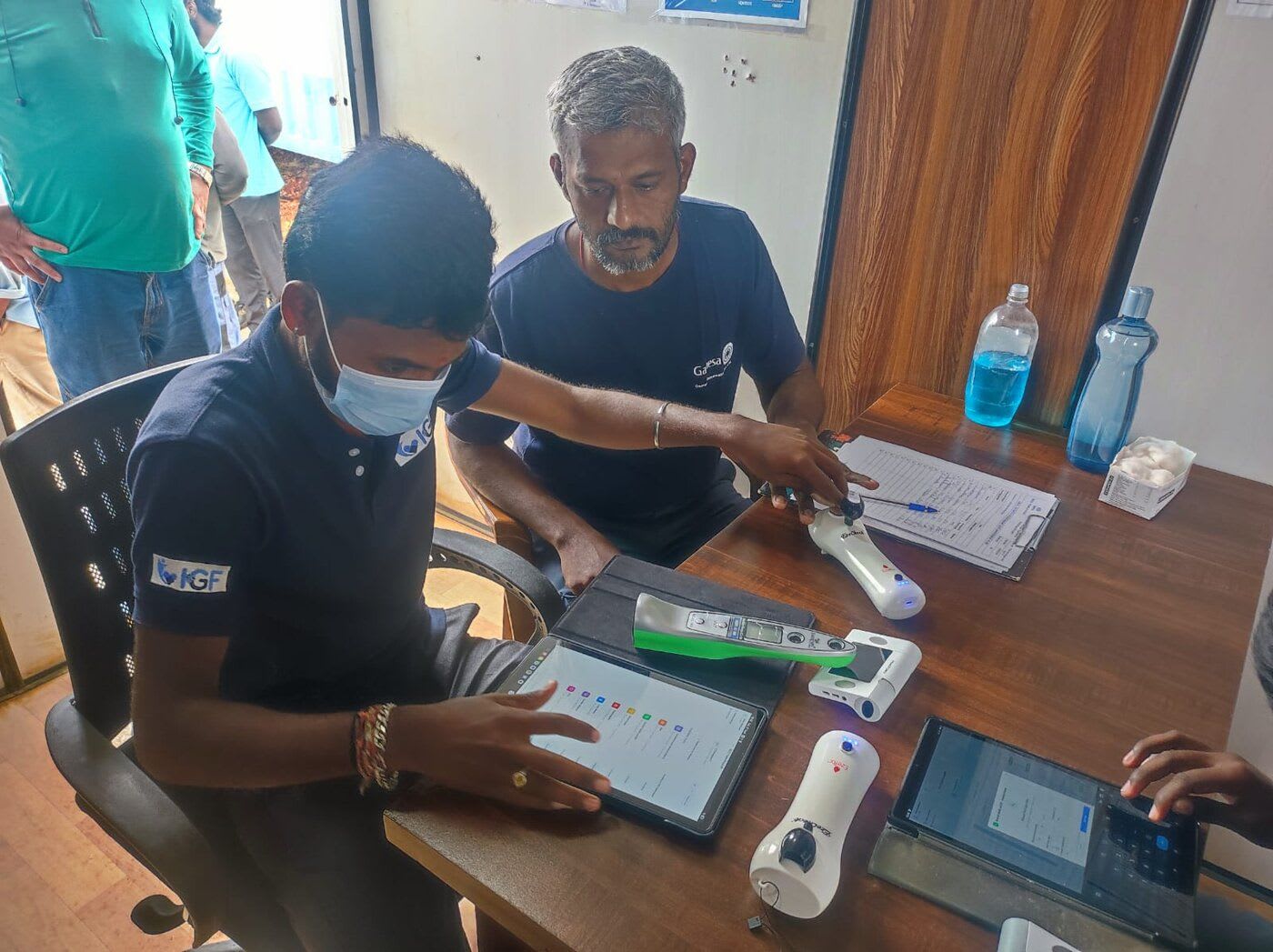
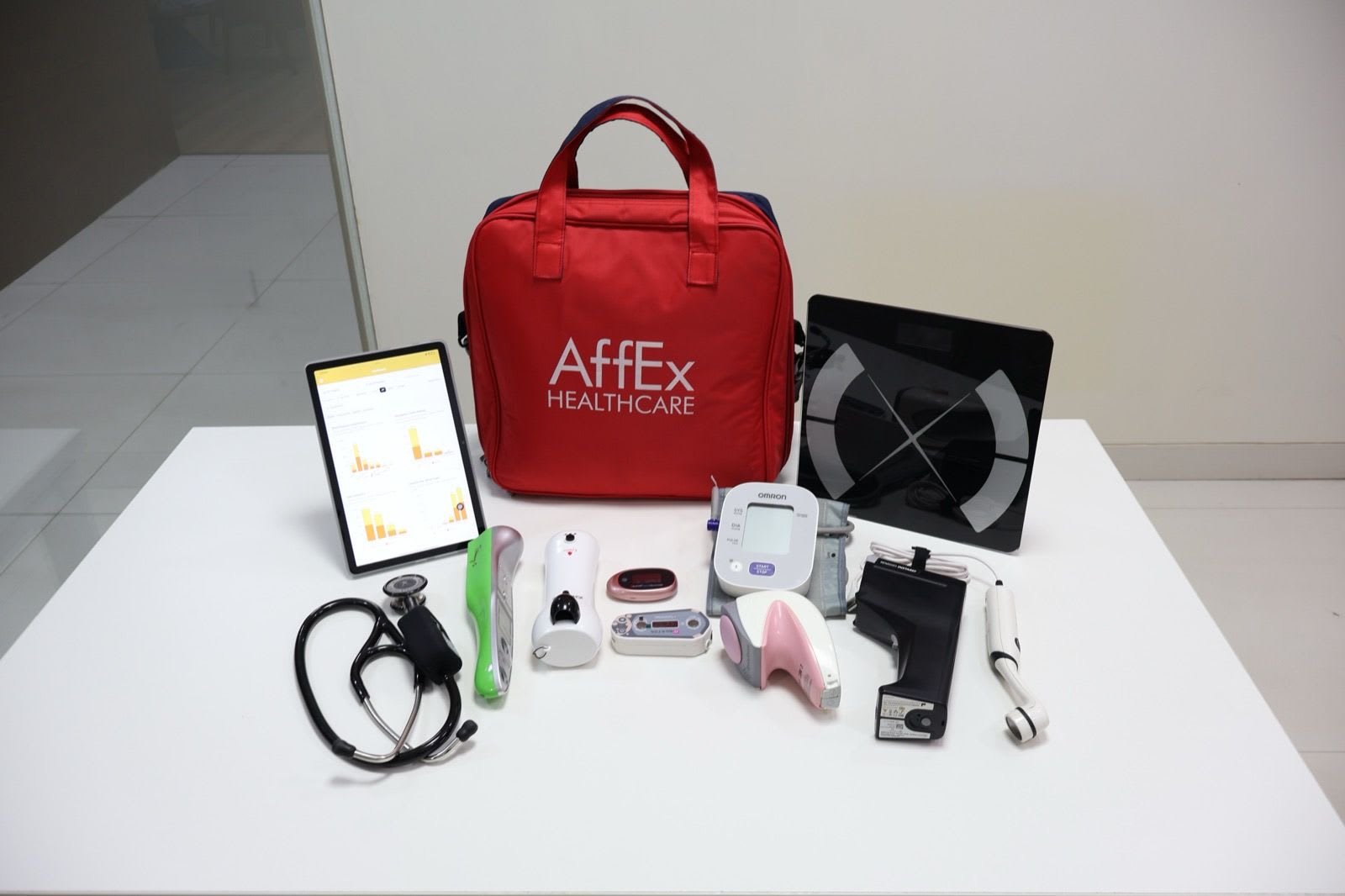
Three places, one record
Everything sits in one of three places: the camp, our cloud, or the national network. The camp never depends on the other two to keep working.
At the camp, works offline
12 device flows, 9 makers
Android, 4 languages
Raspberry Pi 5 with the full record
Our cloud
Records, programs, reports, device setup
Heart, lung and ECG results
Lab report reading, program assistant
Reports and prescriptions to patients
National network
ABDM
Health IDs, consent and record exchange with every ABDM provider in India.
Visits go out as encrypted records, and past records come in, only with the patient's consent.
What happens when the signal drops
Save
Readings save to the clinic server, signal or not
Wait
Visits and audio wait, with a pending count on screen
Sync
The server pushes after version and disk checks
Confirm
Dashboards update, reports go out, ABDM sharing runs
How a national program is organized
Each level sees only what sits below it, so a corporate partner sees its own camps and nothing else.
| Role | Sees and does |
|---|---|
| Super admin | Every program. Sets up devices, sites and users |
| CSR manager | Their partner's programs and outcome reports |
| Site admin | One facility, its clinics and staff |
| Doctor | Reviews visits, prescribes, refers |
| Nurse, testing staff | Registers patients, runs device tests in the camp |
Certified for all three ABDM milestones
ABDM is India's national digital health network. Device readings now reach the patient's ABHA health account, with consent.
M1
Health ID
ABHA created at registration by Aadhaar or mobile OTP, then linked to the patient.
M2
Share
Each visit becomes a record. Readings go out as encrypted FHIR on consent.
M3
Fetch
Doctors pull past records from other providers into the visit, with consent.
| Date | Milestone |
|---|---|
| Jun 10, 2026 | NHA approves functional testing |
| Jun 16 | Security audit findings closed |
| Jul 2 | Functional testing passed for M1, M2, M3 |
| Jul 13 to 16 | Test, Safe to Host and security certificates |
| Jul 27 | NHA demo passed |
| Jul 30 | Integration complete, listed on ABDM partners page |
| Aug 2026 | Running on ABDM production |
Where the ABDM time went
Testing and review run on the government's calendar. Plan for about two months after the build is ready. Step by step in our ABDM certification guide.
What the client had to provide+
Security, ownership and how we work with you
The questions a buyer asks before signing, answered from this project.
Security
Audited before go-live
The Android app passed an independent mobile security audit, with findings closed in a week. The product holds a Safe to Host certificate for ABDM.
Health records leave only with patient consent, encrypted the way ABDM requires. Every user has a role, and each role sees only its own sites.
Ownership
The client owns the product
The code lives in the client's own repository. Their tech lead merges and deploys.
Nothing is locked to us. Each device integration has its own written workflow in the repository, so another team can pick it up.
How we engaged
A monthly team
Project manager, developers and daily QA, billed monthly, with a separate support retainer after launch.
What the client ran
Shared ownership
The client's team owned field operations, device vendors and ABDM registration. Their tech lead reviewed and released our work.
A day on the platform
Thirteen screens, from the first sign-in to the funder report. Pick a step to see who uses it, why it works that way, and what happens when it goes wrong. Screens show the redesigned product with sample data.
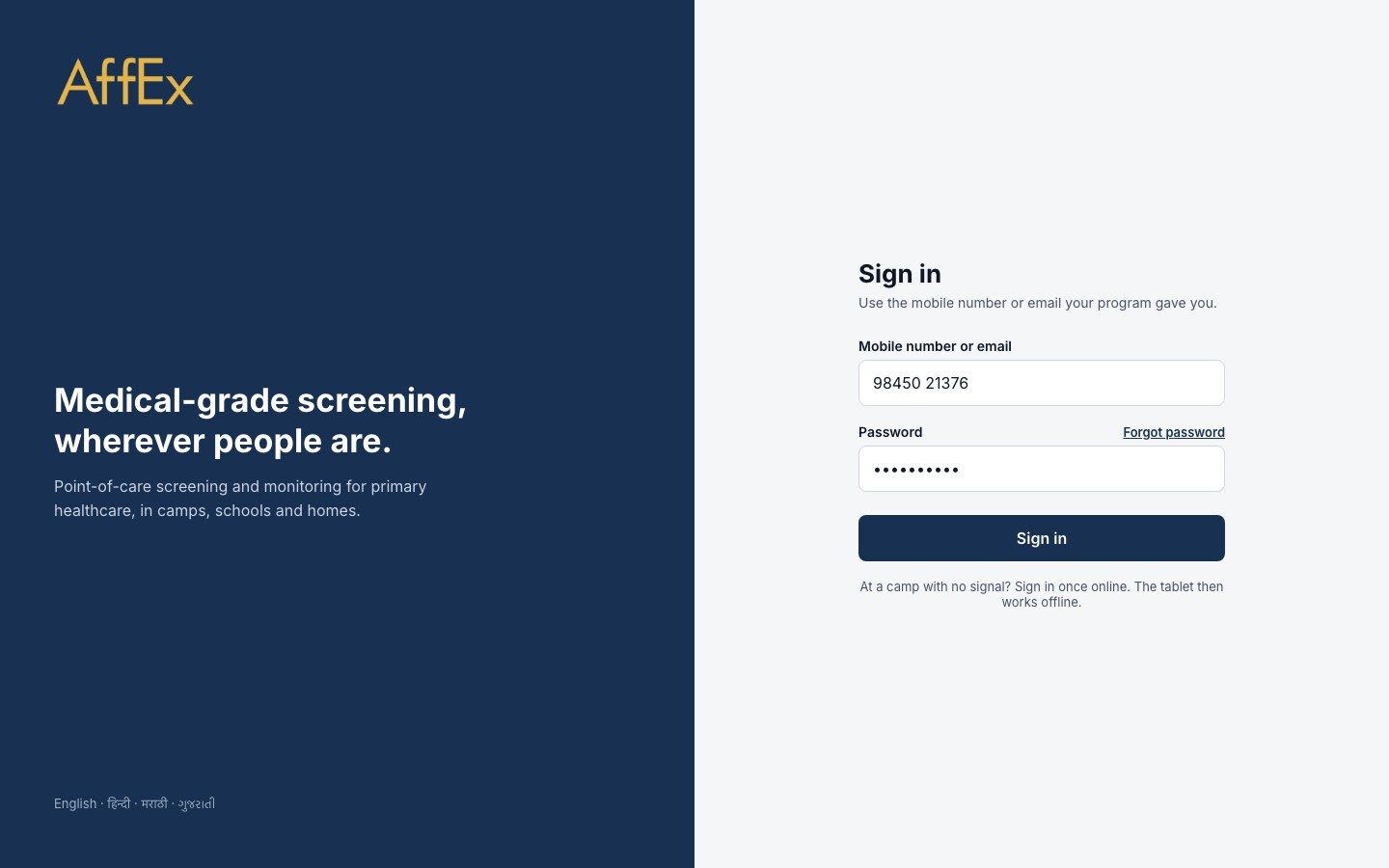
Nurse or testing staff, 7:30 am
Sign in
Staff sign in with their mobile number. The tablet then works all day without a signal.
Why it works this way
Sign-in is the only step that needs the internet, and it happens before leaving the office.
When it goes wrong
No signal at the camp: staff stay signed in on the tablet. Four languages are on the sign-in page.
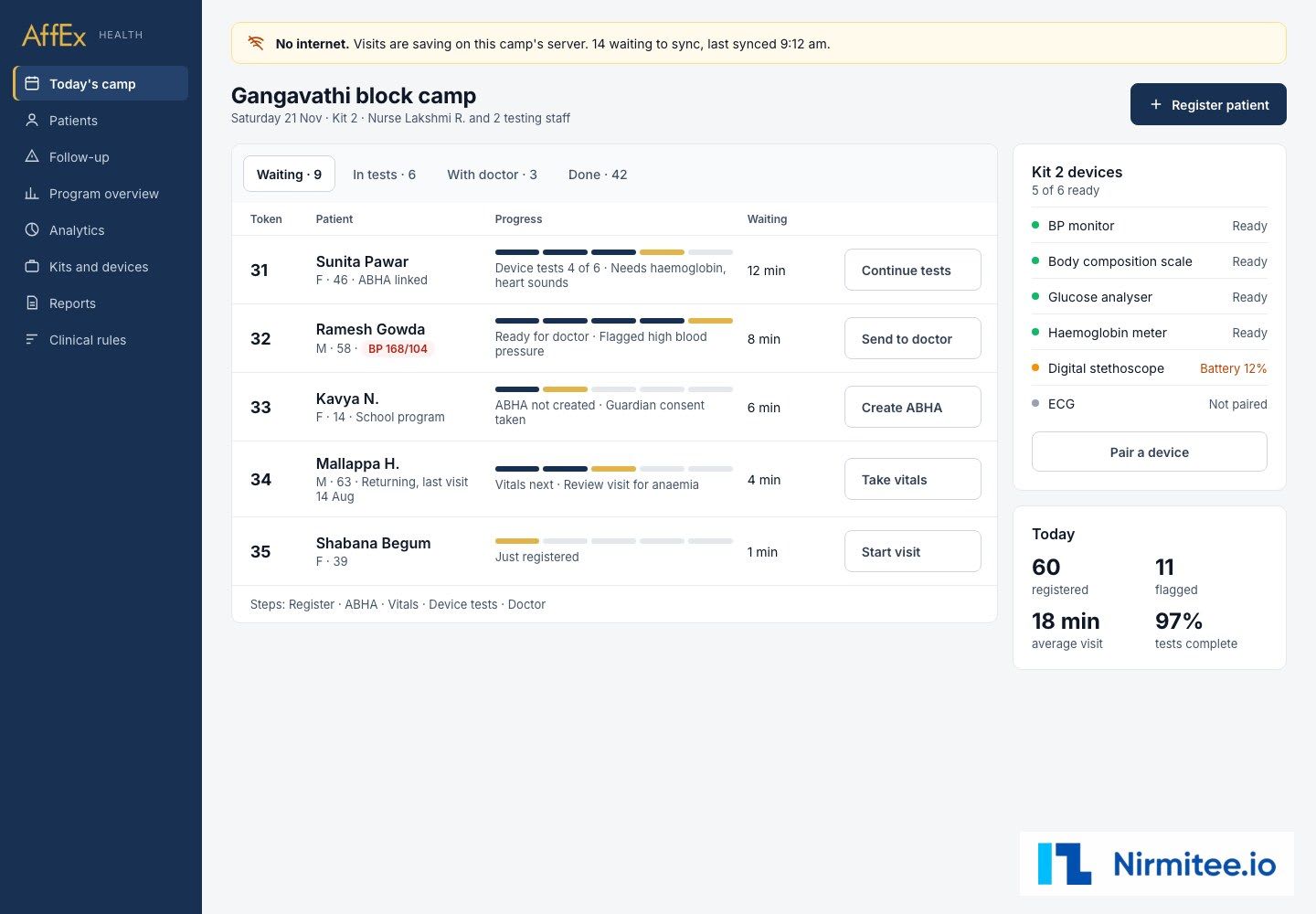
Testing staff, all day
Today's camp
One queue shows every patient, their token and progress. The kit panel shows which devices are paired and ready.
Why it works this way
Three people share one queue in a noisy room. Each row names the next step as its button.
When it goes wrong
Internet drops: a banner says visits are saving on the camp server and how many wait to sync.
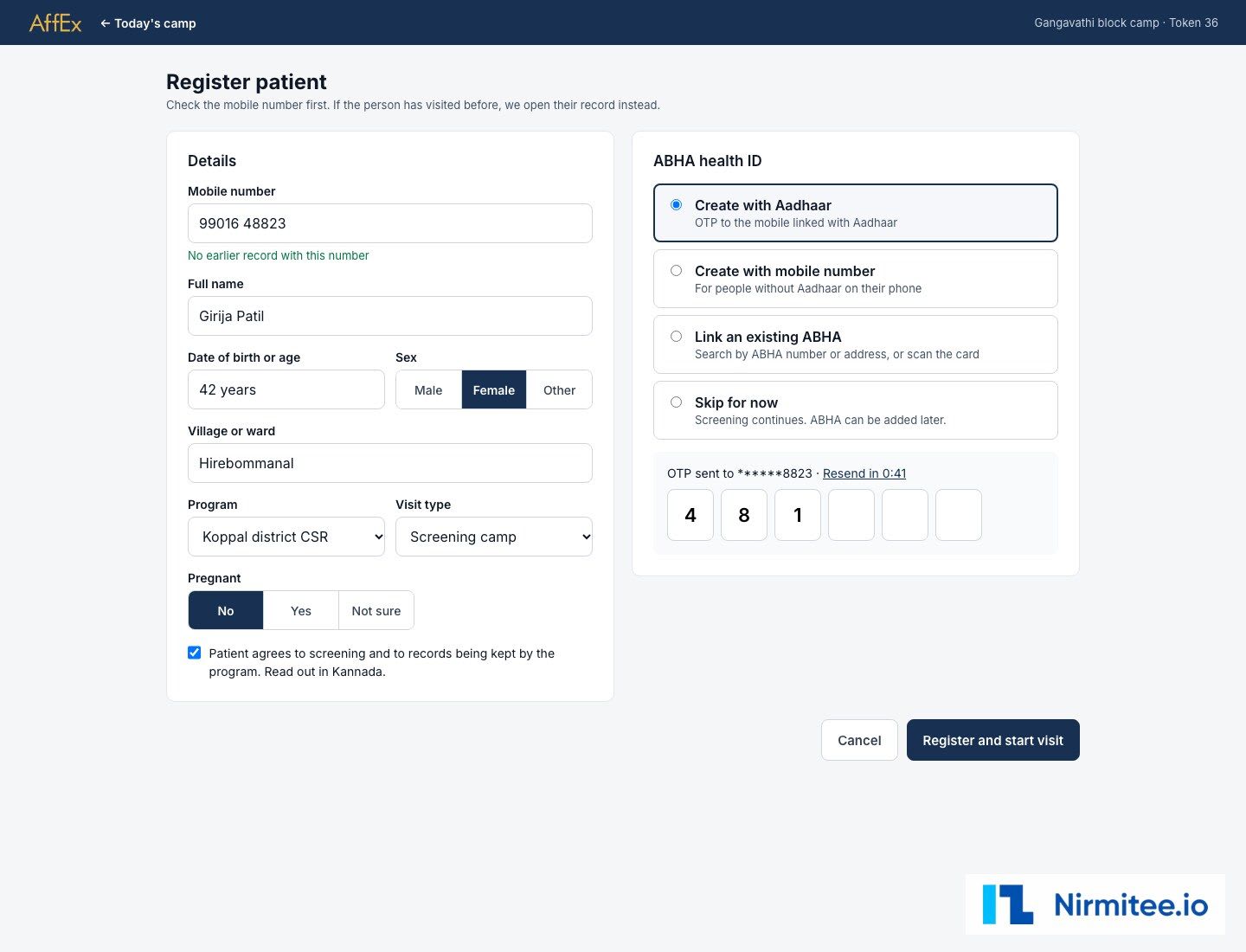
Registration desk, 2 minutes
Register and ABHA
The mobile number is checked first. A new patient gets ABHA by Aadhaar OTP, mobile OTP, an existing ABHA, or later.
Why it works this way
Duplicates ruin follow-up, so the number check comes first. ABHA never blocks screening.
When it goes wrong
OTP never arrives: switch to mobile OTP or skip. ABHA is added at the next visit.
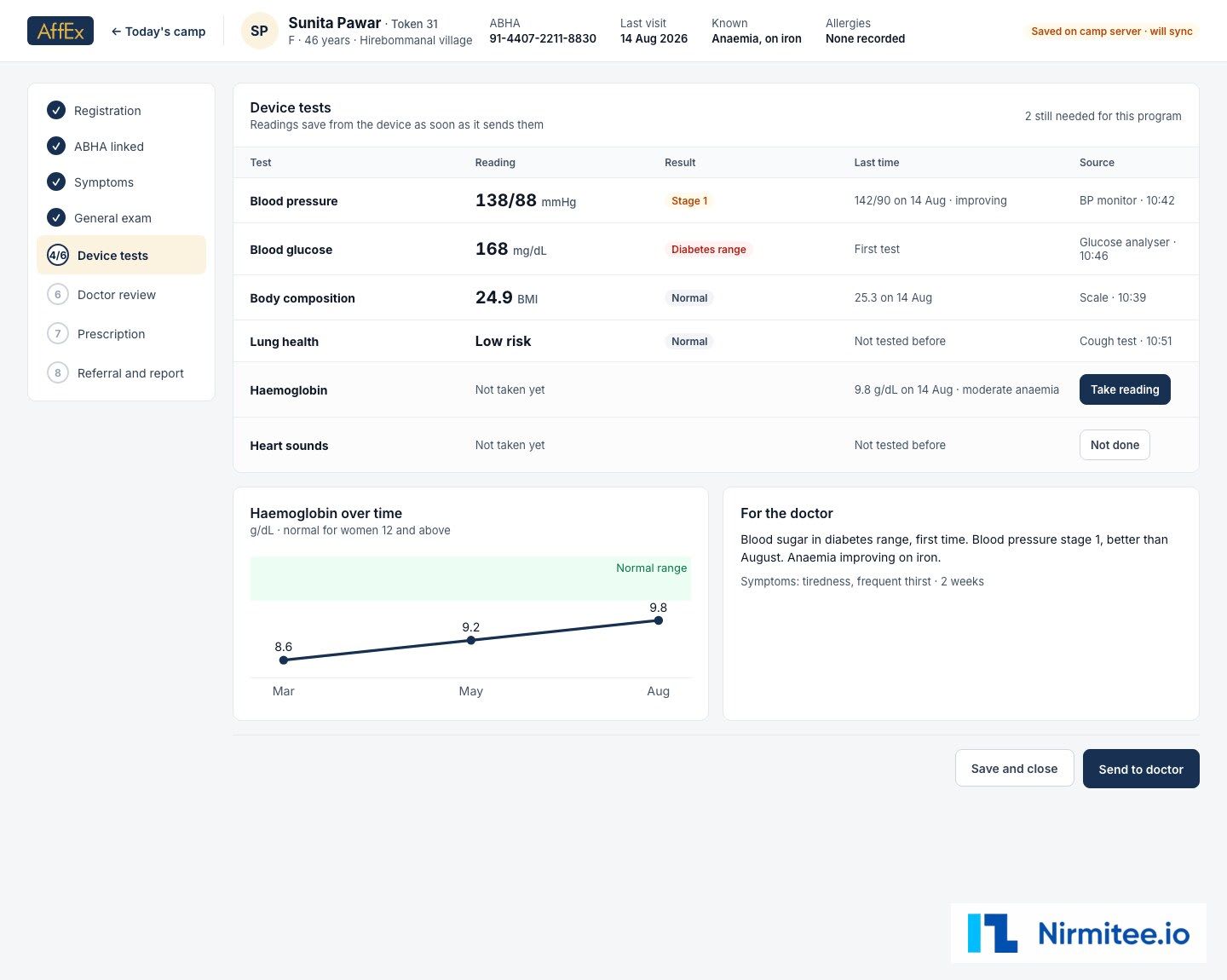
Testing staff, 10 to 15 minutes
Readings
Each reading lands from the device with its result band, the last value and its source device.
Why it works this way
The source builds trust in the number. The last value turns one reading into a trend.
When it goes wrong
Device fails or battery dies: mark the test Not done with a reason. It counts in completion.
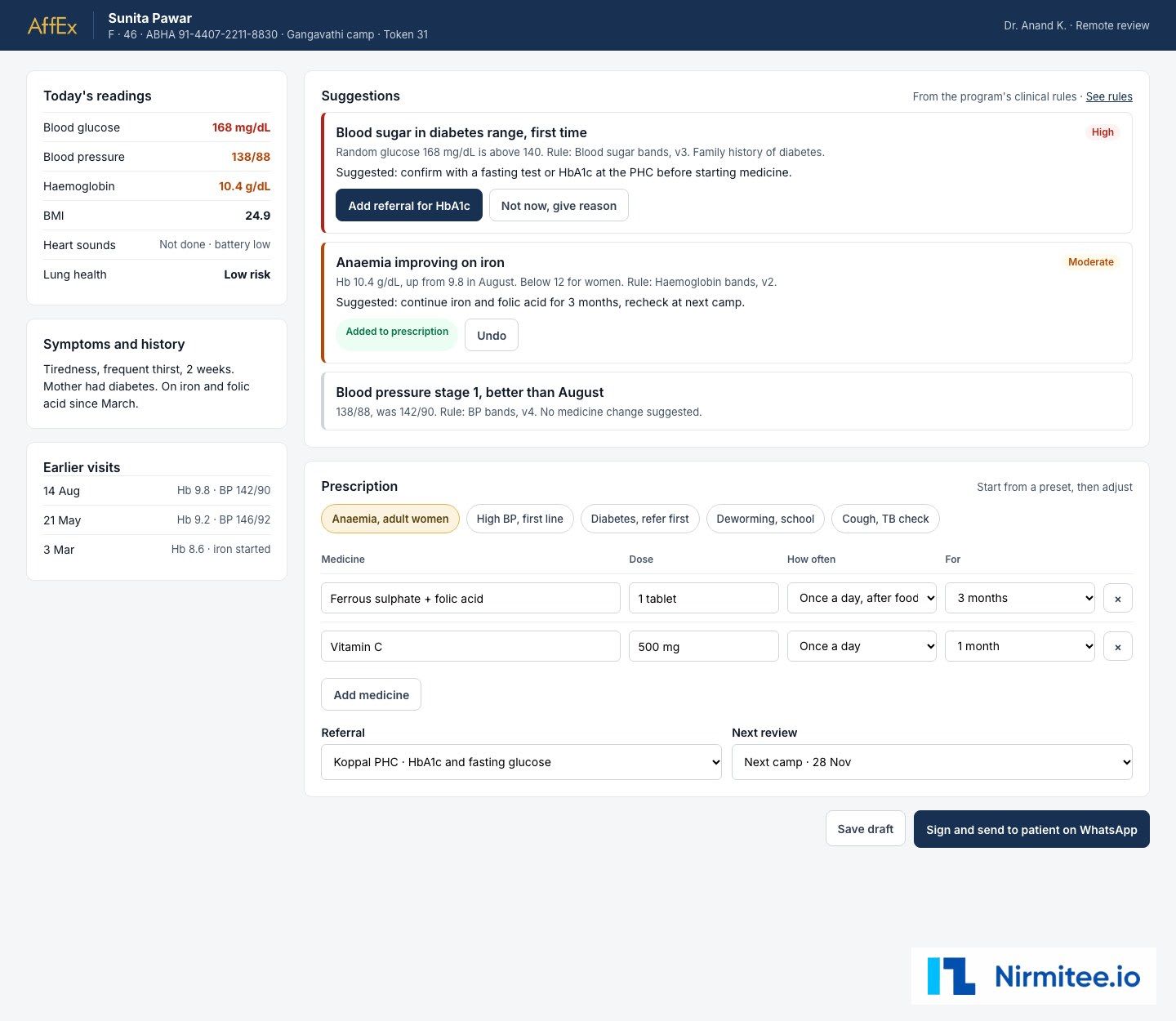
Doctor, often remote
Doctor review
Readings, history and rule-based suggestions that name the rule, values and limit. Prescriptions start from a preset.
Why it works this way
Suggestions explain themselves so doctors can trust or reject them quickly. Presets keep prescribing consistent.
When it goes wrong
Doctor disagrees: they dismiss it with a reason, which feeds the next review of the rules.
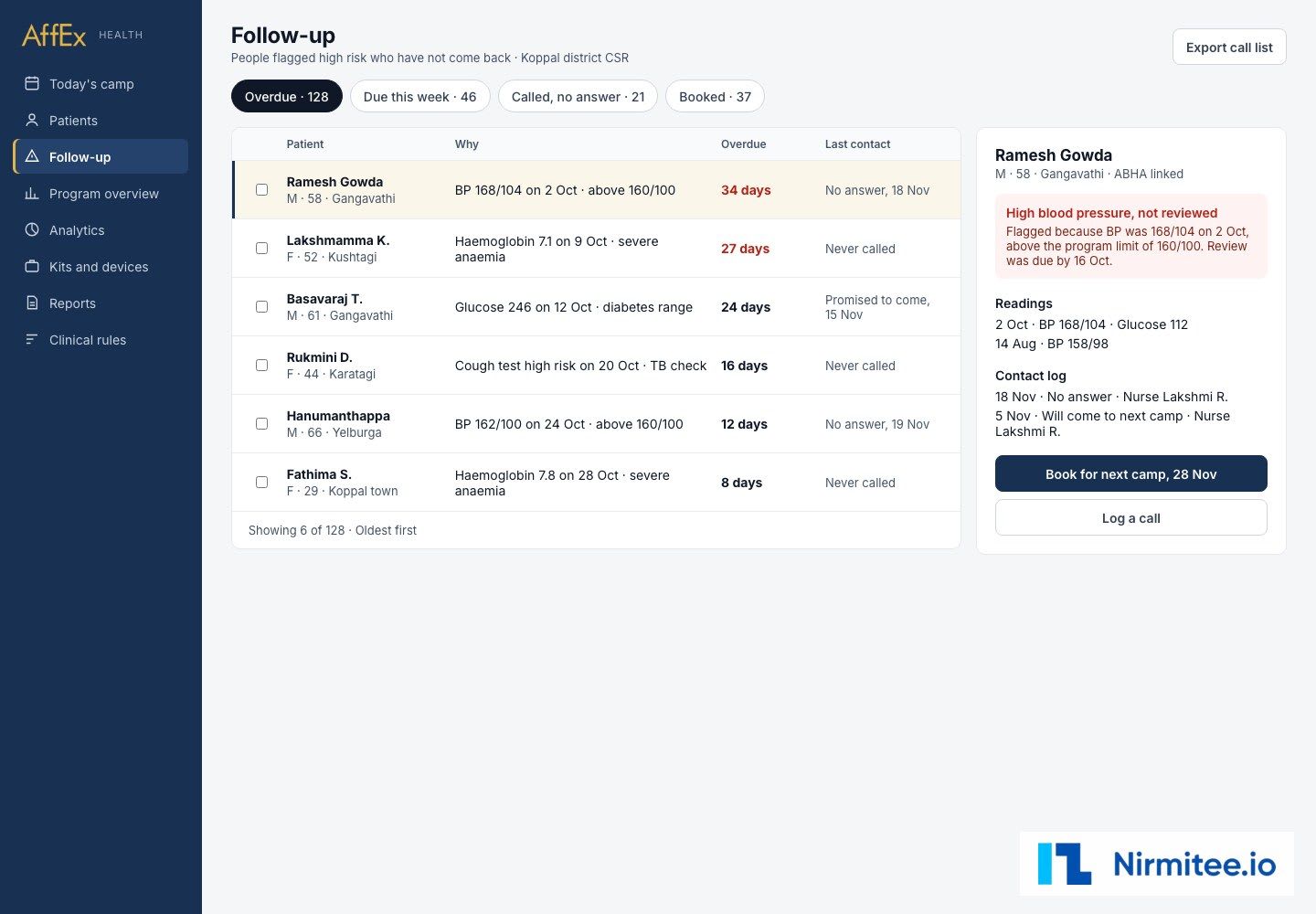
Program coordinator, weekly
Follow-up
Everyone flagged who has not returned, oldest first, with the reason in plain words and every call logged.
Why it works this way
A screening program is judged on what happens after the camp.
When it goes wrong
No answer: the call is logged and the patient stays on the list, ready to book into the next camp.
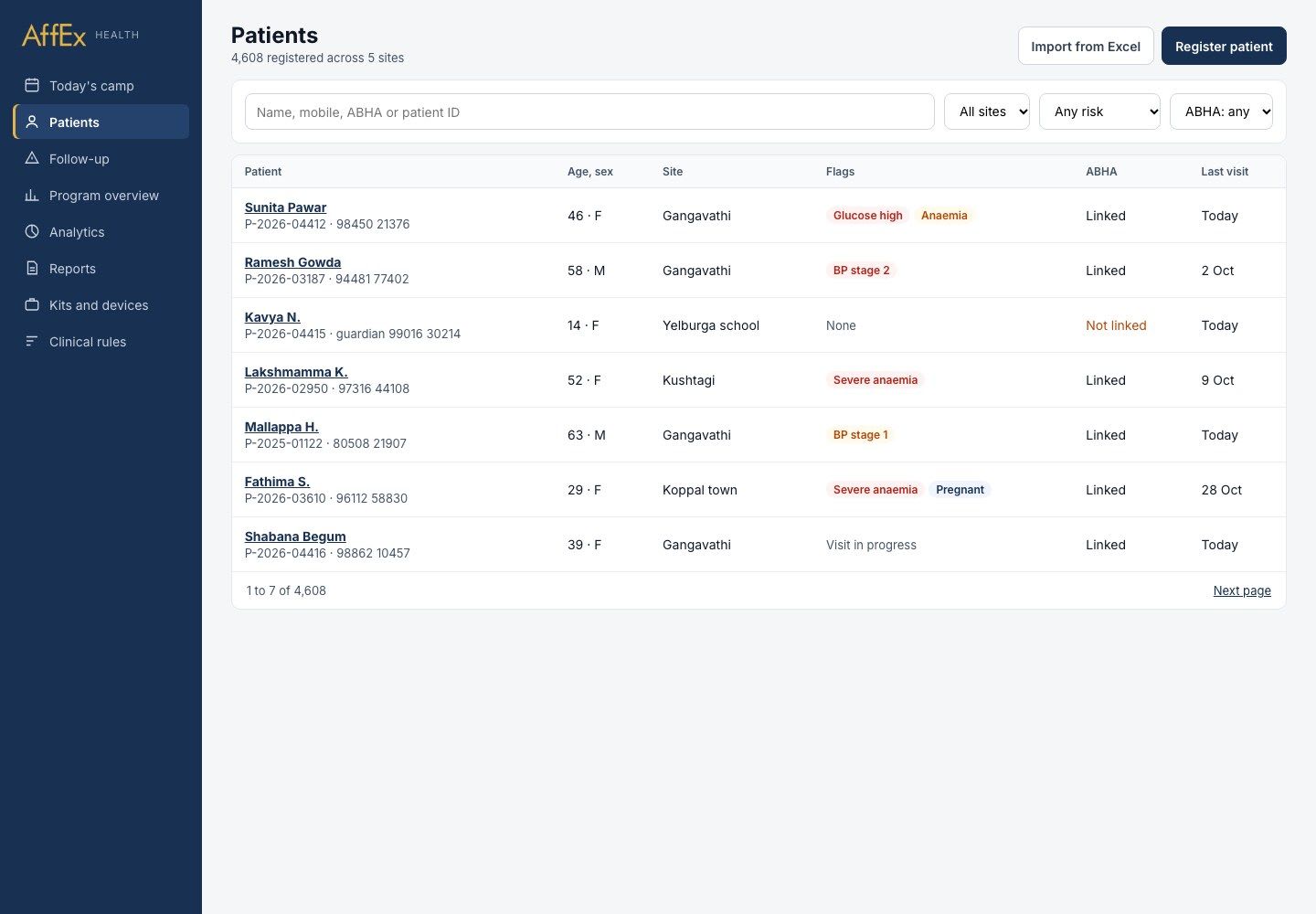
Any staff member
Patients
Search by name, mobile, ABHA or ID across every site, with risk flags and ABHA status.
Why it works this way
Staff should never need to know which site a patient was first seen at.
When it goes wrong
Two records for one person: flagged for an admin to review.
Program admin
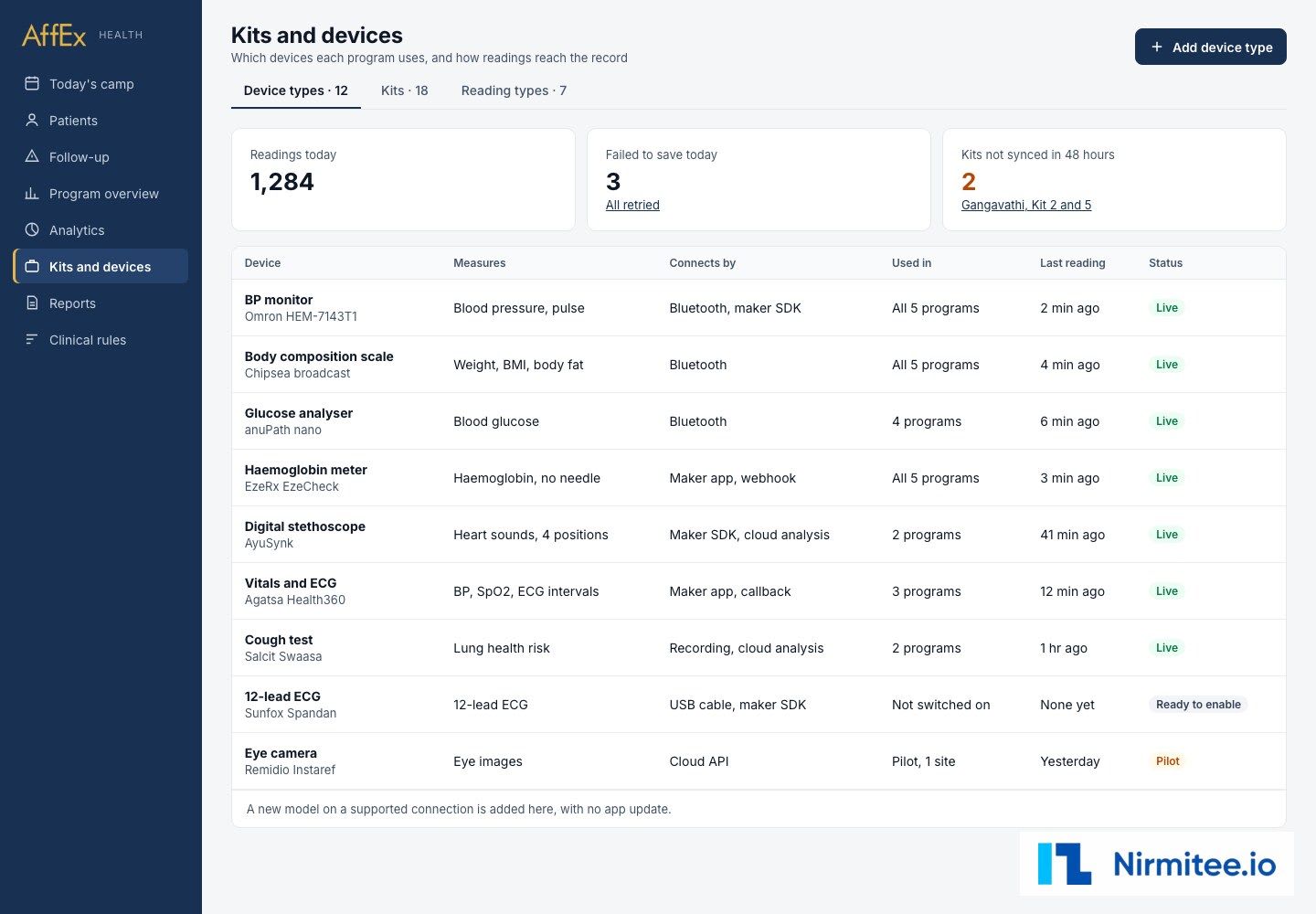
Kits and devices
Every device type, what it measures, how it connects and which programs use it.
Why it works this way
The device intake layer made visible. Programs grow by adding devices, not by waiting for a release.
When it goes wrong
A kit has not synced for 48 hours: it is listed at the top so someone calls the camp lead.
Support engineer, every day
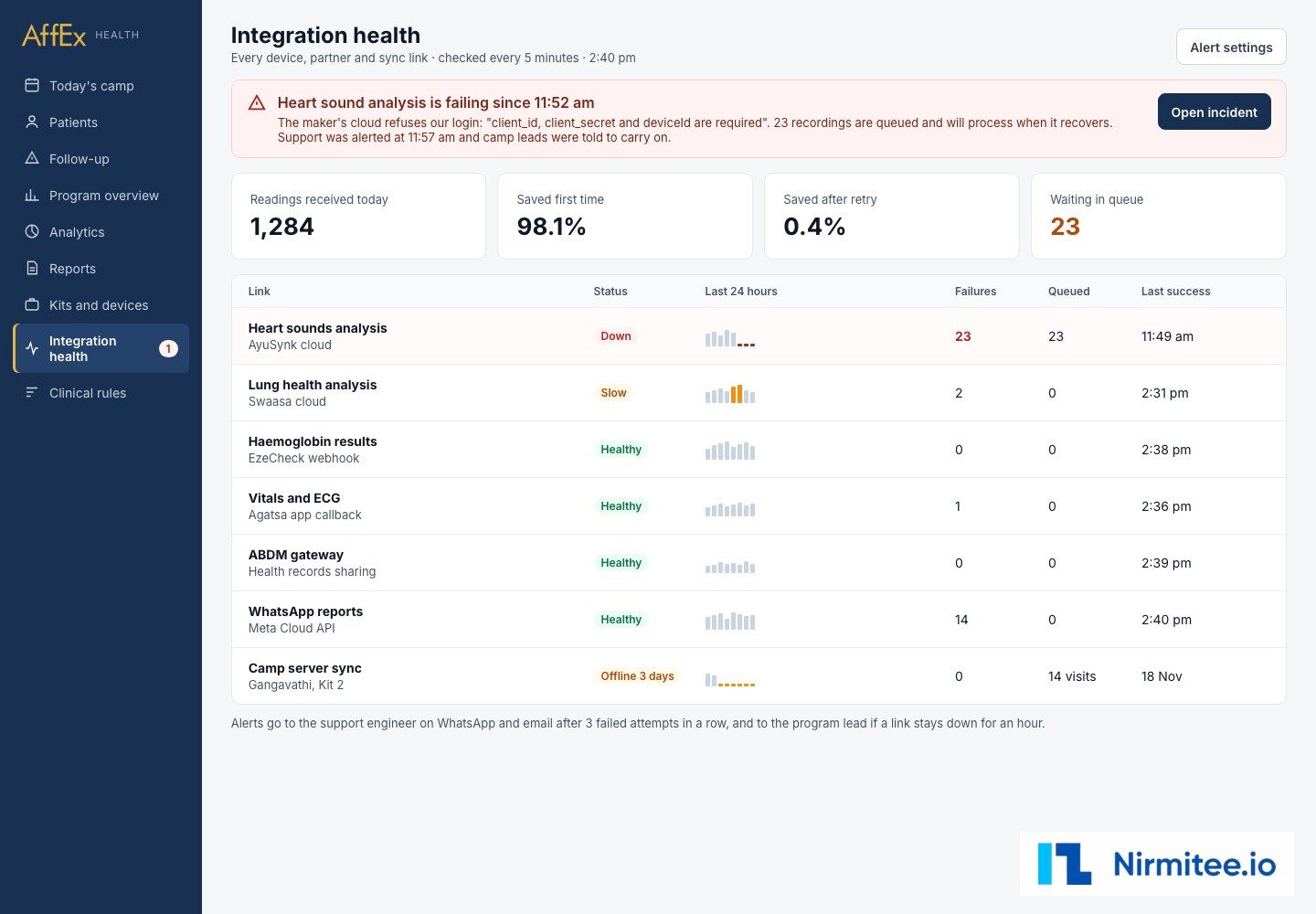
Integration health
Every device cloud, webhook, ABDM, WhatsApp and camp link, with failures, queue and last success.
Why it works this way
Field teams should hear about a problem from us first.
When it goes wrong
A maker cloud goes down: readings queue, support is alerted, and the queue clears on its own.
Medical lead
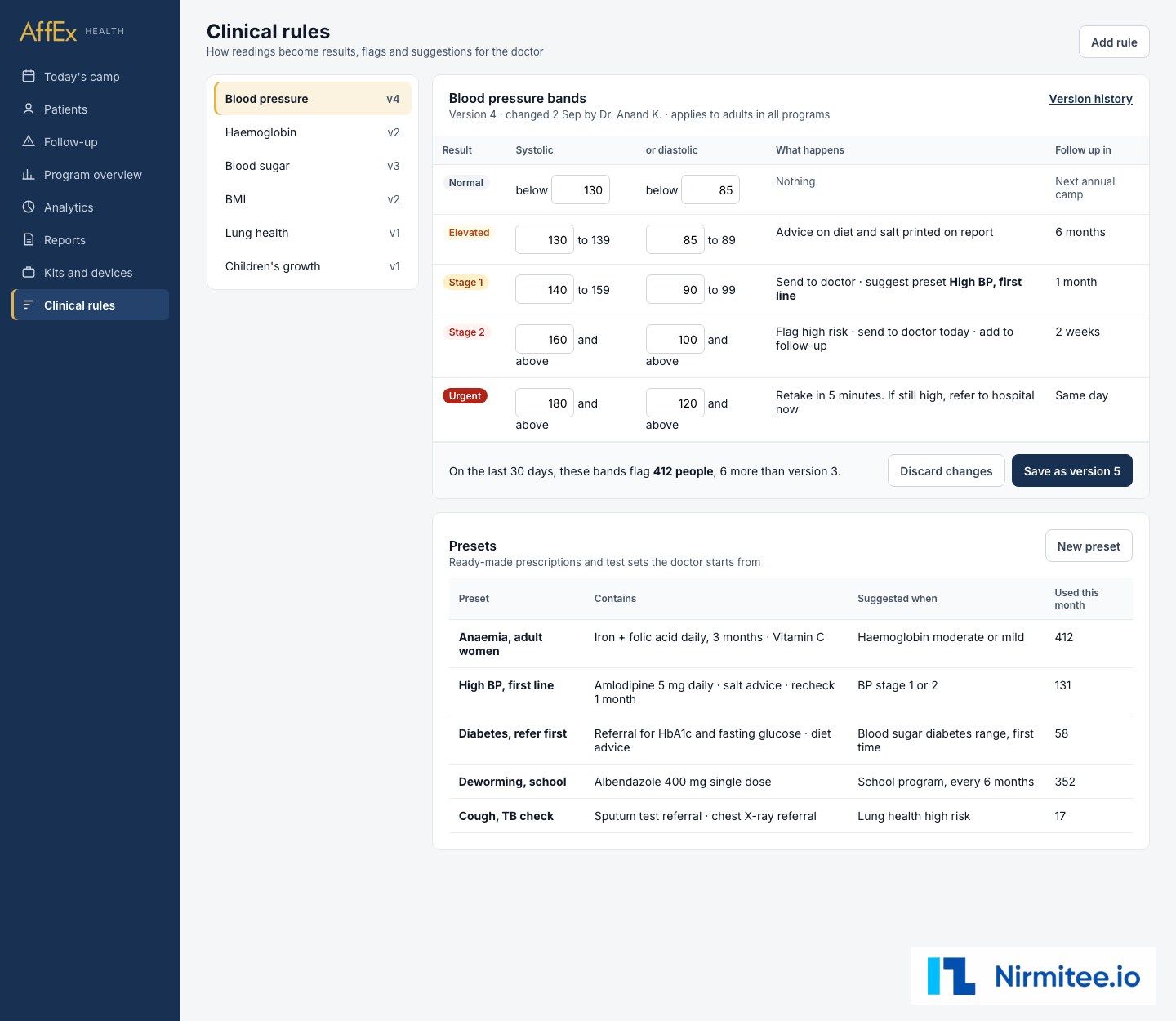
Clinical rules
Result bands, limits and actions per reading, versioned and checked on past data before saving.
Why it works this way
Rules decide who gets flagged, so they belong to doctors and every change is recorded.
When it goes wrong
A new limit would flag far more people: the 30-day check shows it before it goes live.
Program manager, weekly
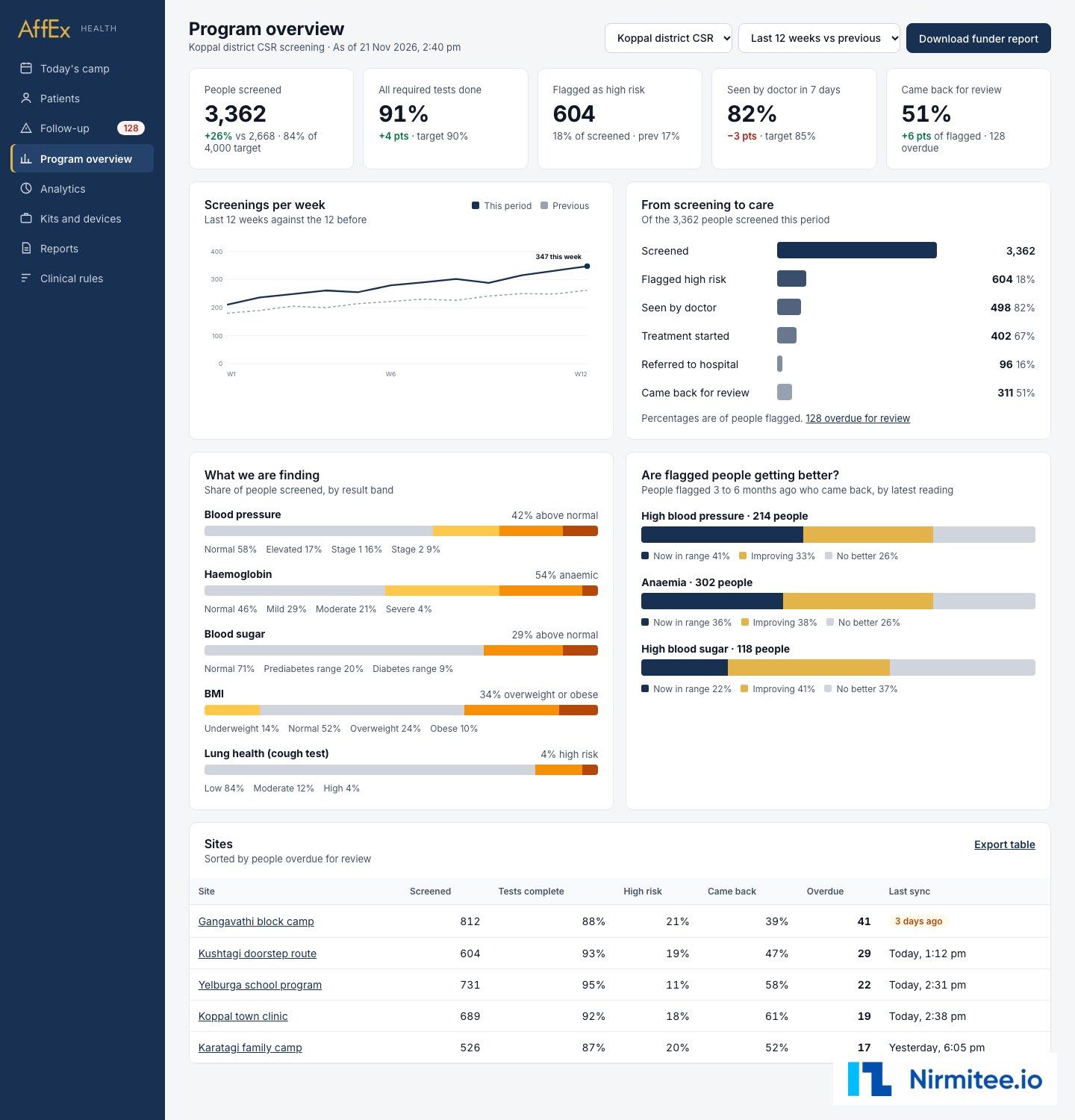
Program overview
Reach, completion, findings, care and outcomes, each with a target and the previous period.
Why it works this way
Every number has a comparison, so a manager knows at once if it is good news.
When it goes wrong
A site has not synced: its last sync shows in amber so nobody reads stale numbers.
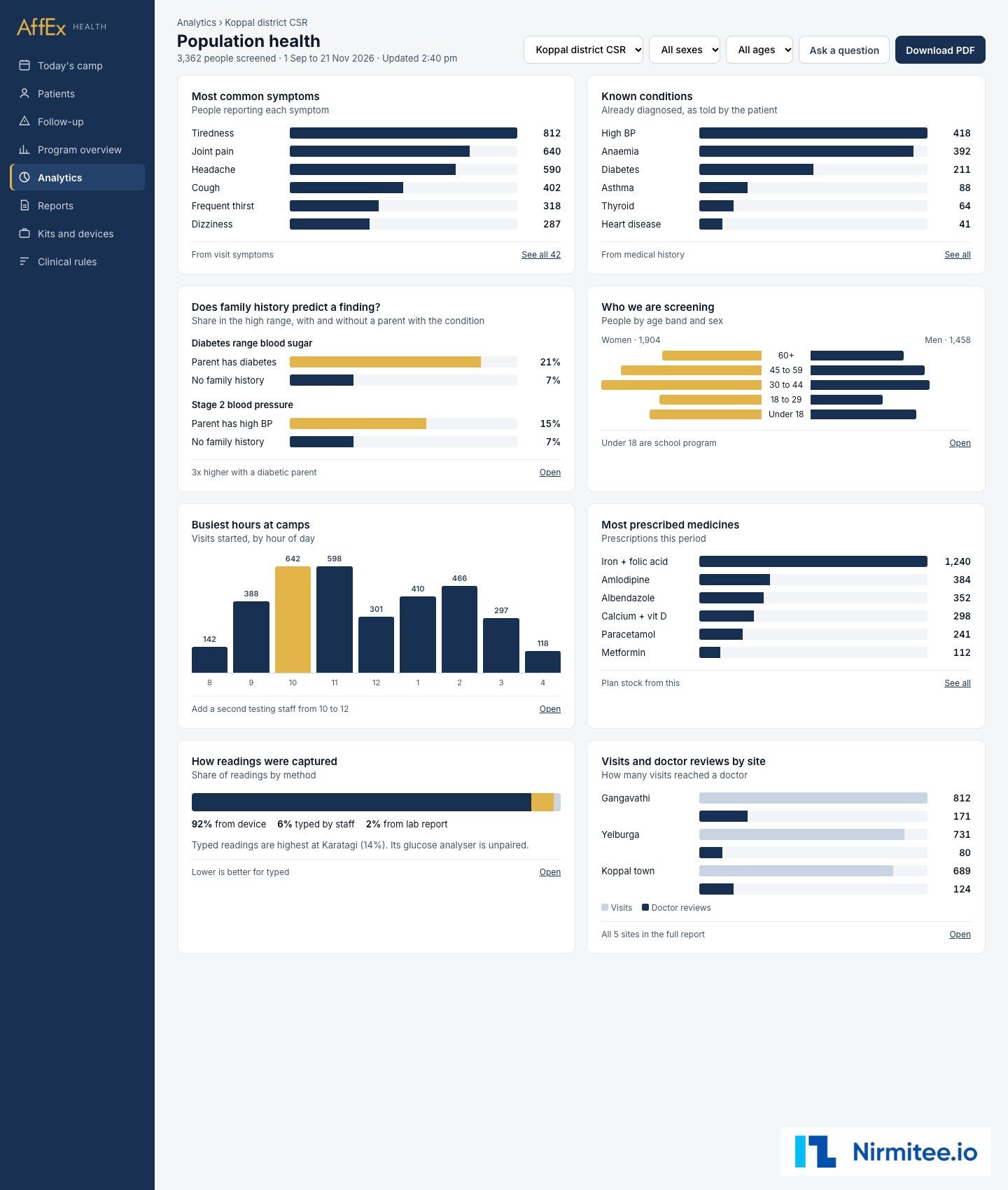
Program analyst
Analytics
Symptoms, conditions, family history, age, busy hours and medicines.
Why it works this way
It brings the separate analytics tool from phase 1 inside the product.
When it goes wrong
A question not in the library: ask it in plain words. Answers are read-only and limited to your sites.
Program lead, monthly
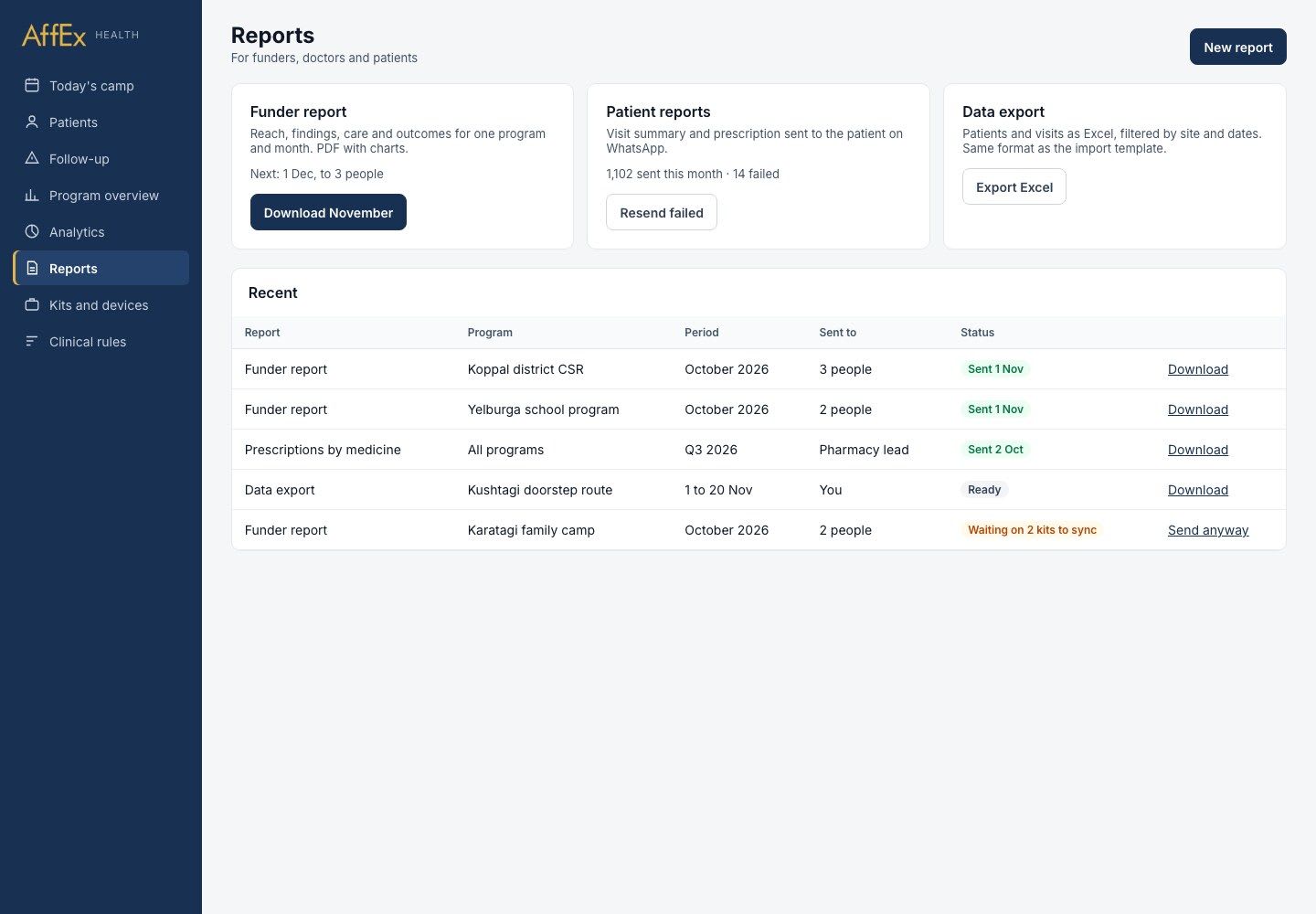
Reports
Funder reports, patient reports on WhatsApp and exports, with what was sent and when.
Why it works this way
Funders pay for proof of reach and outcomes. Patients deserve their own results.
When it goes wrong
A report waits on unsynced kits, or WhatsApp fails: both show, with Send anyway and Resend failed.
Adoption in the first four months
From the production database on Jan 8, 2026, counted by row, no personal data read. Some sites are test sites, so read these as upper limits.
4,608
patients registered
5,727
visits
13,260
tests ordered
9,200
prescriptions
Readings by device
16,592 readings saved straight from devices
591
referrals to a doctor or hospital
109
clinics set up
77
staff users
4
languages: English, Hindi, Marathi, Gujarati
Built to fail safely, and to tell us first
Field programs fail in small ways every day. No reading is ever lost, and the support team hears about a problem before the camp does.
Detect
Every call logged: started, called back, failed, timed out, retrying, done
Retry
Three tries with duplicate protection
Queue
Raw data kept, reading waits with a clear status
Alert
The link turns red and support is alerted
Recover
Queued items process once the link is back
| Failure | What staff see | What the system does |
|---|---|---|
| Device maker's cloud down | Reading saved, analysis pending | Retries 3 times, queues, alerts support, processes when back. Happened in June 2026, fixed in 4 days. |
| Webhook never arrives | Test shows waiting, then timed out | The raw request is kept, staff can retake. |
| Camp offline for days | Banner with pending count | Camp server keeps everything. Sync runs with version and disk checks. |
| Camp server problem | Nothing, in most cases | Watchdog restarts it. Nightly backup. Self-update when online. |
| Device not paired or battery low | Kit panel shows it before the patient arrives | Test marked Not done with a reason, counted in completion. |
| ABHA OTP or ABDM fails | Clear message and another route | Screening continues. Sharing retries and is logged. |
| WhatsApp report not delivered | Failed count on Reports | Delivery tracked per message, one click to resend. |
| Bad data from the field | Error beside the field, input kept | Limits checked on save. Seen in production and fixed with a migration. |
Proactive support, not a ticket queue
Our support engineer checked the failure logs every morning, before camps opened. When a vendor link broke or a kit stopped syncing, the client heard it from us with a plan, not from a health worker in the field. The redesigned Integration health screen turns that daily routine into automatic alerts.
Every case a camp meets
| Scenario | What the system does |
|---|---|
| Returning patient | Mobile check finds the record. Last readings appear next to today's. |
| No phone or Aadhaar | Screened in full. ABHA offered at the next visit. |
| Child at a school camp | Guardian consent recorded. Linked to the school report. |
| Pregnant woman | Pregnancy tracked and linked to the maternal health program. |
| Urgent reading | BP 180/120 or above: retake in 5 minutes, then refer the same day. |
| First-time high sugar | Doctor prompted to confirm at the PHC before any medicine. |
| Patient does not return | Stays on the follow-up list with days overdue and a call log. |
| Records from another hospital | With consent, pulled in through ABDM and shown in the visit. |
| New device for a program | Added in kit setup, switched on per site, no app update on known protocols. |
Real incidents, and how we fixed them
A vendor changed its login
Heart-sound analysis failed on every upload when the maker began requiring the real device ID. We added it for each kit and shipped the fix four days after the first failure.
An update disrupted a camp
An ABDM change reached the field mid-camp. We brought back release notes before every field build.
Real data broke field limits
Medicine names were longer than the field allowed. We widened it to match the catalog with a migration.
Production needed a real facility
Until the production facility ID arrived, we ran production through NHA's testing facility, then switched by one setting.
A product team, not a ticket queue
We worked beside the client's field team, tested every day, supported every camp, and brought back what we saw on the ground.
Daily testing
A QA tester ran the field flows every day on fresh Android builds, so issues were caught before they reached a camp.
Dedicated support
A support engineer handled field issues, device pairing and data fixes on a fixed monthly retainer, and warned the client before problems reached a camp.
Ground-level input
We pushed for offline mode for low-signal camps, release notes before every field build, and quick device fixes when vendors changed their APIs.
Clear reporting
Weekly updates and a monthly report with work done, open issues and next steps.
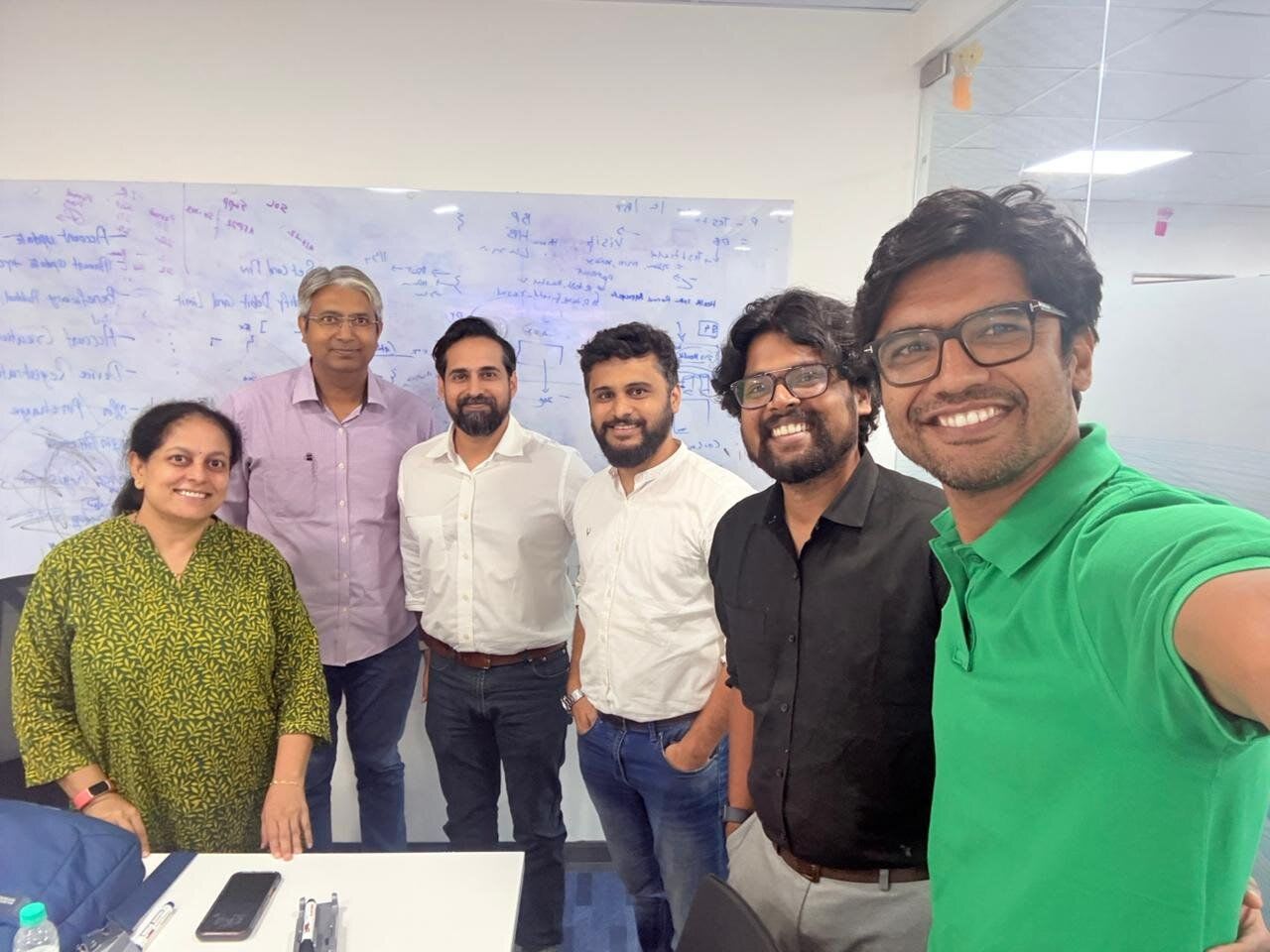
Code activity by month
Commits, Nov 2025 to Sep 2026. Peaks match the ABDM build and certification fixes.
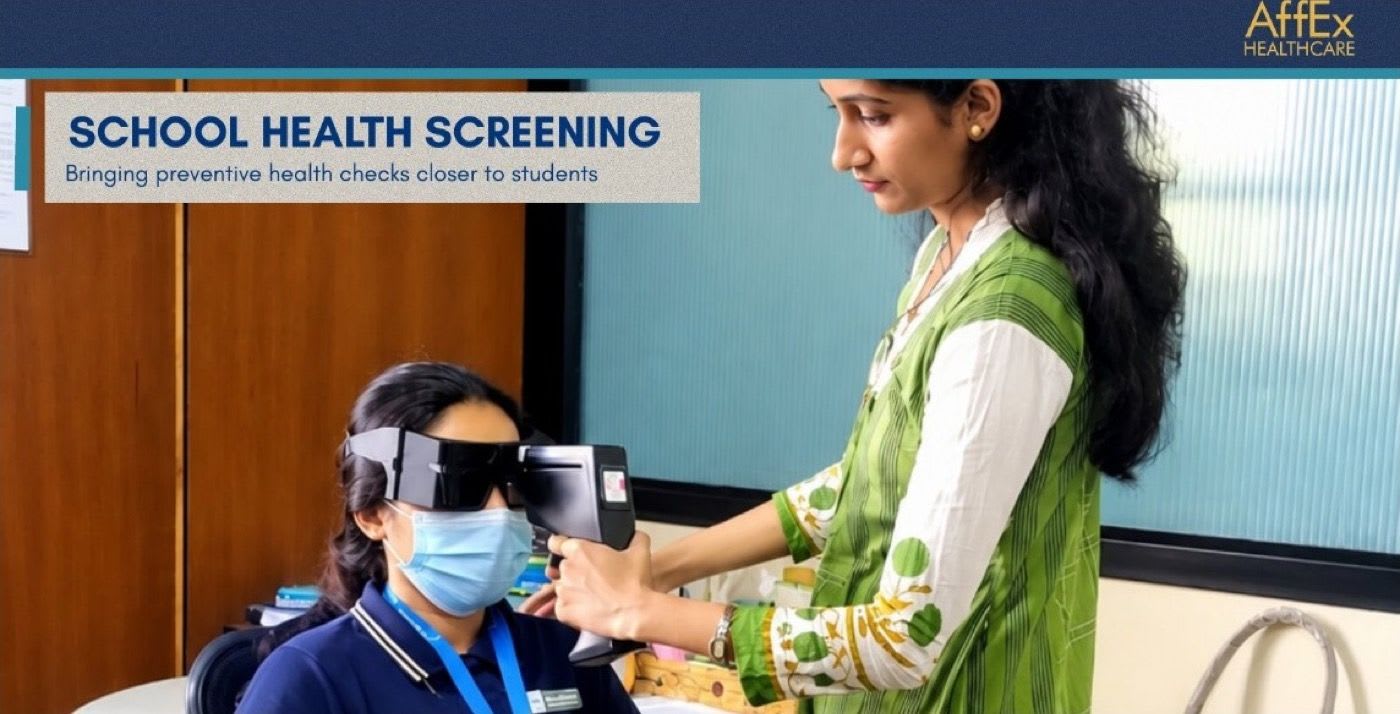
“You have been great partners and always there when we needed you. Really appreciate it.”
Client team, Sep 5, 2026
Where the same device layer fits
Our view, not delivered work. The intake layer does not care which country or program it runs in.
US rural clinics and mobile units
Screening vans and rural health clinics that carry point-of-care devices and need readings in the EHR as FHIR.
Remote patient monitoring
Home BP cuffs, scales and glucose meters feeding one record, with offline buffering.
Employer and CSR drives
Corporate camps that screen thousands of workers and need reportable data.
School and community screening
Health worker programs in low-signal areas across India, Africa and Southeast Asia.
Device makers
Makers who want their device in EHRs and national networks without building it.
Have devices that need to talk to your record?
Tell us the devices and where they run. We will map the adapters, the offline plan and the standards you need.
Sources: production database snapshot, 8 Jan 2026 (row counts only); project emails Feb to Sep 2026; team chats Jun to Nov 2026; code history Nov 2025 to Sep 2026. Device photos are maker product images. Field photos by the client and our team.